Painting Galvanized Pipes: It' s possible, but you can' t just paint them any old way.
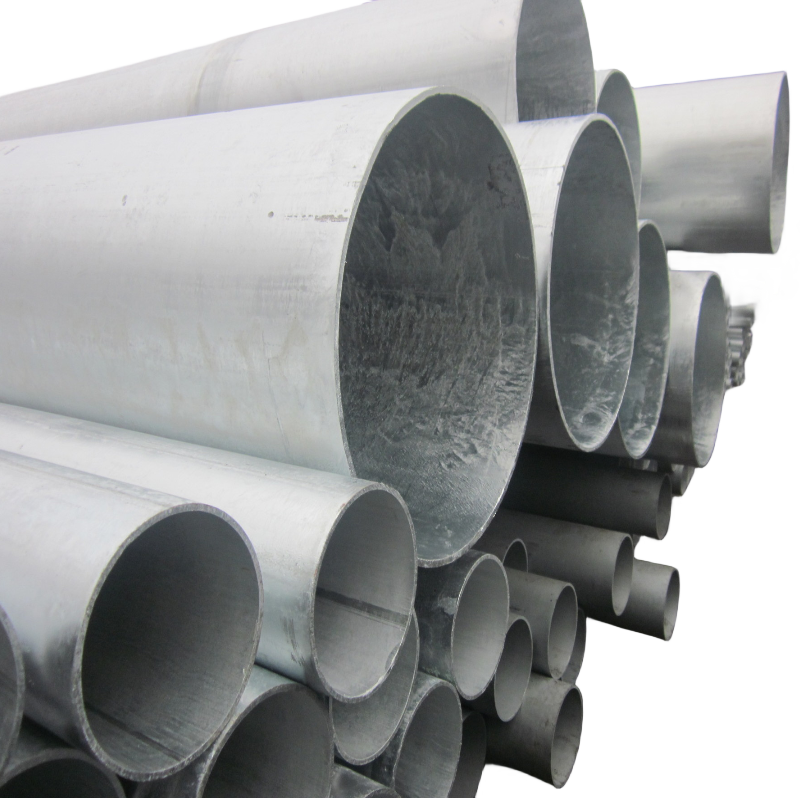
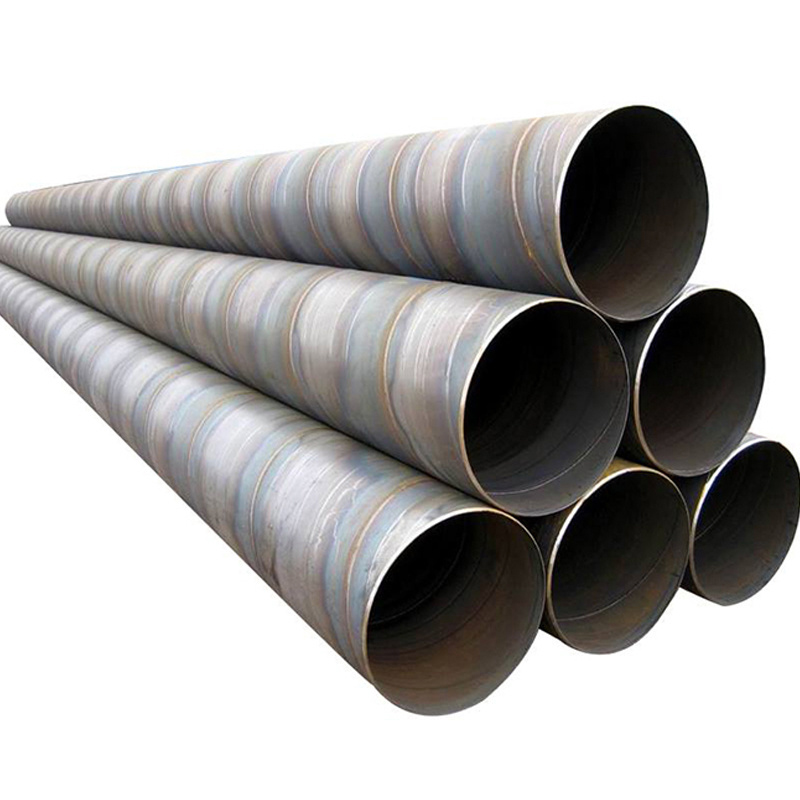
Galvanized pipes rely on a zinc coating for corrosion protection, and there are two common types: hot-dip galvanizing and electrogalvanizing. Hot-dip galvanized coatings are thicker and offer better corrosion resistance outdoors, while electrogalvanized coatings are thinner and are mostly used indoors. The surface of the zinc coating is smooth and forms a layer of zinc oxide, making it difficult for ordinary paint to adhere firmly. If paint is applied directly, it is prone to peeling and flaking, and may even accelerate corrosion due to a reaction between the paint and the zinc.
Galvanized pipes can be painted, typically to change their color, identify their purpose, or add an extra layer of protection. However, the surface must be properly prepared before application, and a primer compatible with the zinc coating must be selected. Otherwise, the paint film will have a short lifespan, and subsequent maintenance will actually become more troublesome.
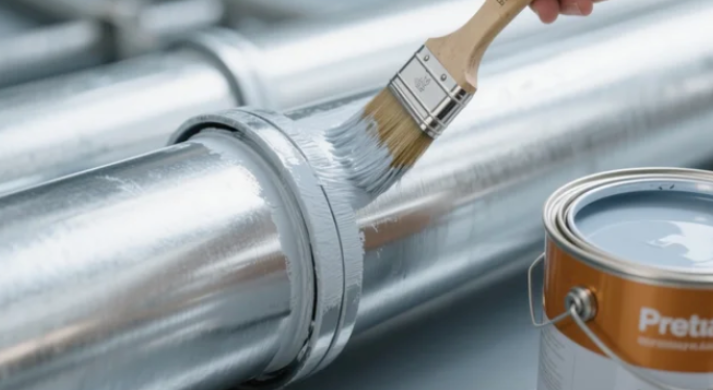
Proper application can be carried out according to the following steps: First, remove oil, dust, and white rust, then lightly sand the surface with 80–120-grit sandpaper to create a rough texture; use a wire brush to remove rust from areas where bare steel is exposed. Next, apply an epoxy zinc yellow primer or a zinc phosphate primer. Once thoroughly dry, select a compatible topcoat and apply 2–3 coats, allowing each coat to dry completely before applying the next. After completion, ensure the area remains well-ventilated and dry; avoid contact with water for 24 hours. Full curing typically takes about 7 days.
There are three types of paint that should be avoided whenever possible. First, alkaline coatings such as ordinary latex paint and water-based wall paint, which are prone to saponification reactions with zinc, leading to white rust, blistering, and peeling; second, copper-based paints containing copper pigments, which cause galvanic corrosion with zinc, accelerating the dissolution of the zinc coating; and third, alkyd paints, whose acidic resins form zinc soaps, causing the paint film to become brittle, crack, and peel off.
Epoxy paint, polyurethane paint, and water-based acrylic paint are recommended. Epoxy paint offers excellent adhesion and corrosion resistance and can be used as both a primer and a topcoat; polyurethane paint has good weather resistance and gloss and is suitable for outdoor use—it is recommended to use it in combination with an epoxy primer; water-based acrylic paint is environmentally friendly and low-odor, making it suitable for interior decoration, but a specialized primer must also be applied before use.
During application, avoid rain, snow, strong winds, high humidity, and low temperatures whenever possible. Ensure proper ventilation and take fire prevention precautions. Conduct a small-scale test application first to check adhesion. When used for special pipelines such as gas or drinking water lines, comply with relevant regulations; ordinary paint should not be applied to the inner walls without proper authorization. By selecting the right coatings and following proper application procedures, galvanized pipes can effectively balance corrosion protection and aesthetic appeal.