The Use of Stainless Steel in Modern Architecture
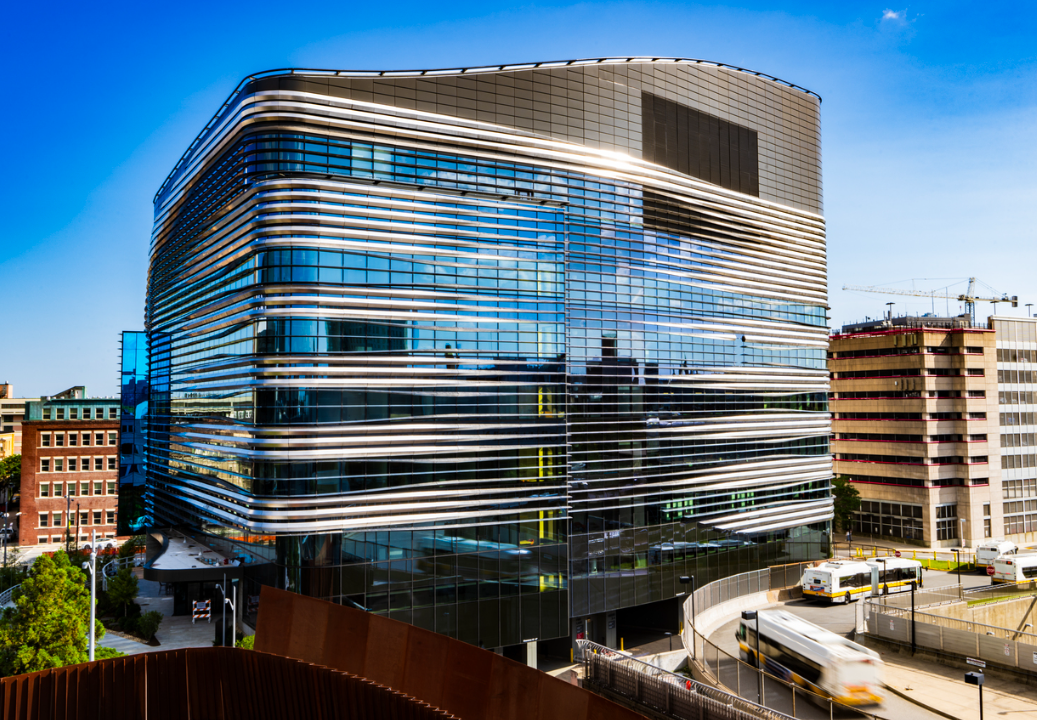
Stainless steel is being used more and more widely in modern architecture. From commercial landmarks to educational and research facilities, this metal is redefining the boundaries of architectural aesthetics and functionality thanks to its unique properties. The EXP Building at Northeastern University in Boston is a prime example—completed in 2023, this eight-story building with a floor area of approximately 357,000 square feet has become an iconic project in urban renewal thanks to its highly distinctive stainless steel facade.
Stainless steel is favored by architects and engineers because of its comprehensive performance advantages. It offers high strength and load-bearing capacity, enabling it to meet the structural demands of long-span and complex structures; its excellent corrosion resistance allows it to remain stable over the long term in coastal cities and under various climatic conditions; and its good formability makes it possible to fabricate it into customized components such as curved and irregularly shaped parts, providing ample scope for the realization of architectural creativity. These characteristics have enabled stainless steel to gradually transition from a traditional industrial material to a key choice for high-end building facades.
From a functional perspective, the stainless steel exterior facade is much more than just decoration. The exterior of the EXP Building is clad with rows of horizontal, tapered stainless steel strips that refract a rich array of light, shadow, and color under varying lighting conditions, giving the building a striking visual impact. More importantly, this stainless steel cladding system serves as a highly efficient sunshade and thermal barrier, which the design team has vividly dubbed the "solar veil." The system effectively reduces the building's internal thermal load and air conditioning energy consumption, significantly improving overall energy efficiency.
It is worth noting that the environmental benefits of stainless steel should not be overlooked. As a 100% recyclable material, stainless steel is fully aligned with the principles of sustainable construction. According to relevant estimates, compared to traditional aluminum curtain wall materials, stainless steel can reduce carbon emissions by nearly 1 million metric tons over its entire life cycle. When a building reaches the end of its service life and requires renovation or demolition, stainless steel components retain significant recycling value, further reducing waste of resources.
As the construction industry increasingly focuses on low-carbon design, sustainable materials, and long-term operation and maintenance costs, the prospects for stainless steel applications in the architectural field are becoming increasingly broad. The successful implementation of the EXP Building at Northeastern University has provided a replicable design model for more universities, research institutions, and public buildings. It is foreseeable that future cities will see more iconic buildings featuring stainless steel facades as their central design element, achieving a higher level of balance among functionality, aesthetics, and environmental sustainability.