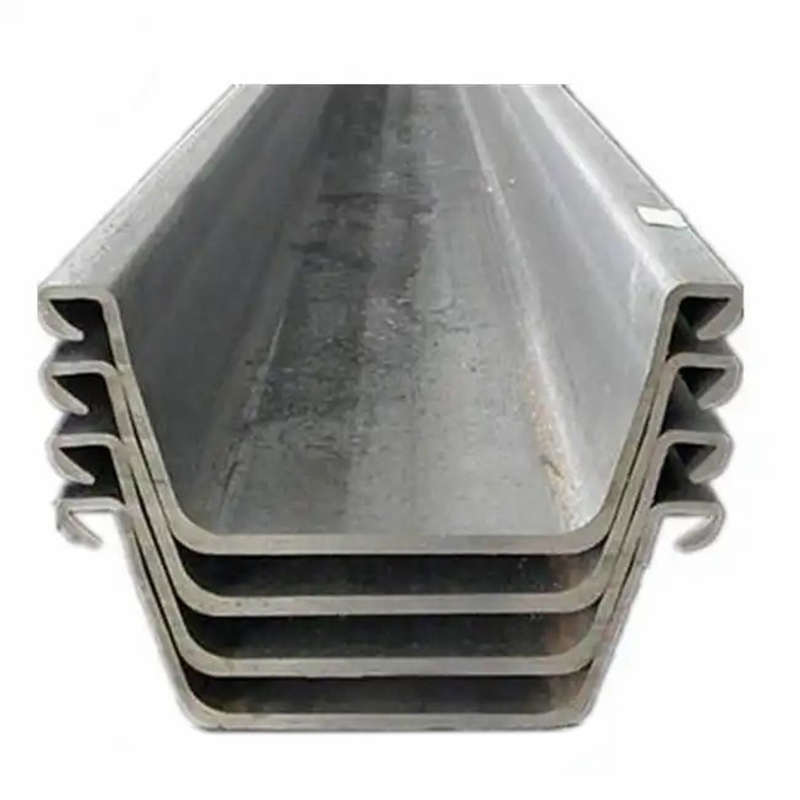
Selecting flat steel: distinguishing between cold-rolled, cold-drawn and hot-rolled varieties
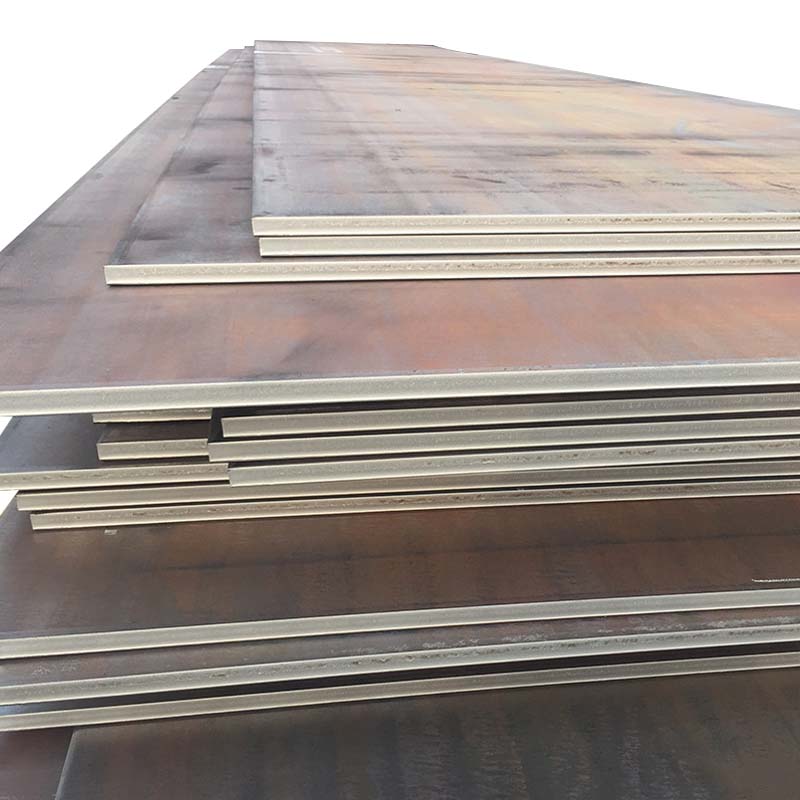
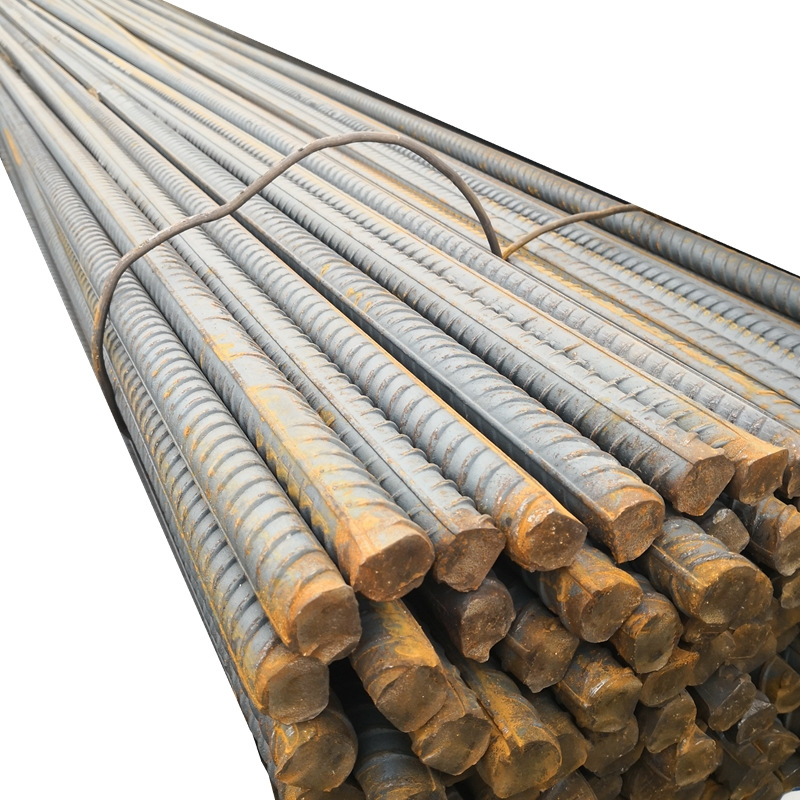
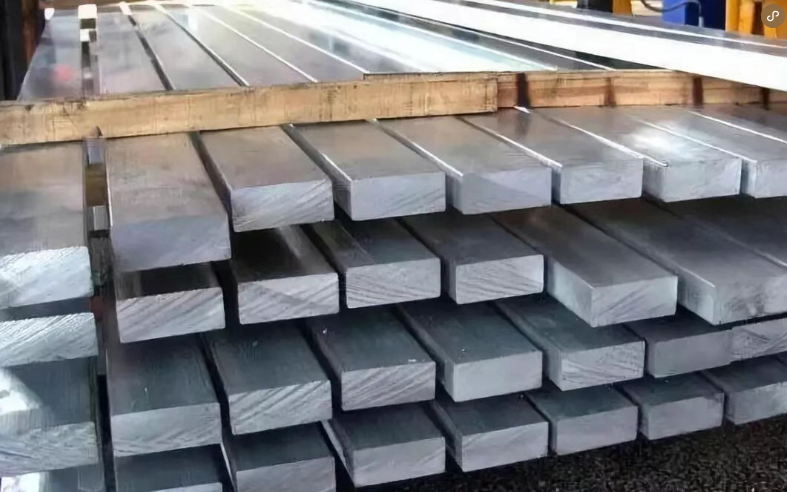
When selecting flat steel materials, the three types—cold-rolled, cold-drawn and hot-rolled—each have their specific applications; understanding the fundamental differences between them is the first step in choosing the appropriate material. Cold-rolled flat steel is produced from hot-rolled coils, which are subjected to multiple rolling passes at room temperature to reduce their thickness; it has a bright surface and a dense microstructure. On the other hand, cold-drawn flat steel is produced by cold-deforming round or square steel bars in cold-drawing dies; it offers extremely high dimensional accuracy and excellent cross-sectional uniformity. Hot-rolled flat steel, meanwhile, is formed in a single pass at high temperatures, resulting in extremely high production efficiency; however, it retains a scale layer on its surface and has relatively loose dimensional tolerances. The manufacturing processes of these three types of flat steel directly determine their performance characteristics and areas of application.
In terms of performance indicators, a clear order of priority can be established: regarding surface finish, cold-rolled steel is superior to cold-drawn steel, whilst hot-rolled steel is the roughest; in terms of dimensional accuracy, cold-drawn steel is the best, followed by cold-rolled steel, and then hot-rolled steel; as for hardness and strength, the work hardening resulting from cold working means that cold-rolled and cold-drawn steel are significantly superior to hot-rolled steel; however, due to its uniform deformation, cold-drawn steel has a more stable distribution of internal stresses. It is worth noting that although hot-rolled flat steel does not excel in terms of finishing specifications, its good plasticity, high toughness and low cost mean it still offers irreplaceable advantages for large-sized, thick-section products.
The key to selecting the right product lies in matching it to the application. For applications with stringent requirements for fitting accuracy and surface roughness—such as precision mechanical shafts, mould guide rails and automotive sliding components—cold-drawn flat steel is the preferred choice, as its excellent straightness and tolerance range can significantly reduce the amount of subsequent machining required. For applications such as decorative fittings, shelving uprights and fitness equipment, where both appearance and strength are important, cold-rolled flat steel offers outstanding value for money, as its bright surface can be directly chrome-plated or powder-coated. For heavy-duty applications such as building anchor bolts, bridge connection plates and large-scale steel structure supports, hot-rolled flat steel is the preferred choice, as its low cost and high toughness better meet structural safety requirements.
Economic considerations must not be overlooked either. Due to the complexity of the processes and lower yield rates, cold drawing and cold rolling typically command a higher unit price than hot rolling; however, if the costs of subsequent processing (such as straightening, grinding and machining) are factored into the overall budget, high-precision materials may actually reduce the overall manufacturing costs. It is recommended that the decision be based on the added value of the end product: hot-rolled steel should be prioritised for high-volume, general-purpose components, whilst cold-processed products are preferable for high-value-added precision parts. At the same time, attention must be paid to the supplier's ability to ensure a stable supply; particularly for projects involving special specifications or tight delivery deadlines, manufacturers with continuous rolling or drawing capacity should be selected.
For example, Yangtze Steel Group's continuous production line for cold-rolled bright flat steel is capable of achieving a smooth, bright surface whilst ensuring dimensional accuracy; it is suitable for industries such as building hardware, furniture fittings and decorative fittings, which exemplifies the typical value of the cold-rolling process in the consumer sector. Cold-drawn flat steel, on the other hand, is more commonly used in high-end manufacturing, whilst hot-rolled flat steel is firmly rooted in infrastructure—there is no absolute superiority or inferiority amongst the three; it is simply a matter of suitability. When making the final decision, please take into account drawing tolerances, surface treatment methods, load conditions and budget constraints, and discuss the supplier's technical capabilities in detail to select the most cost-effective and suitable material solution.