An Introduction to Tinplate (Tin-Plated Steel Sheet) and Its Applications
Tinplate, also known as tin-plated steel, with the English abbreviation SPTE, refers to cold-rolled, low-carbon thin steel sheets or strips coated on both sides with commercial-purity tin. It combines the strength and formability of steel with the corrosion resistance, weldability and aesthetic appeal of tin, and possesses characteristics such as corrosion resistance, non-toxicity, high strength and good ductility. The tin coating primarily serves to prevent corrosion and rust, making tinplate an ideal material for packaging food, beverages and other products. Currently, most tinplate on the market is produced using an electroplating process. Compared to the traditional hot-dip tinning method, electroplated tinplate offers a more uniform coating, lower tin consumption and more consistent quality.
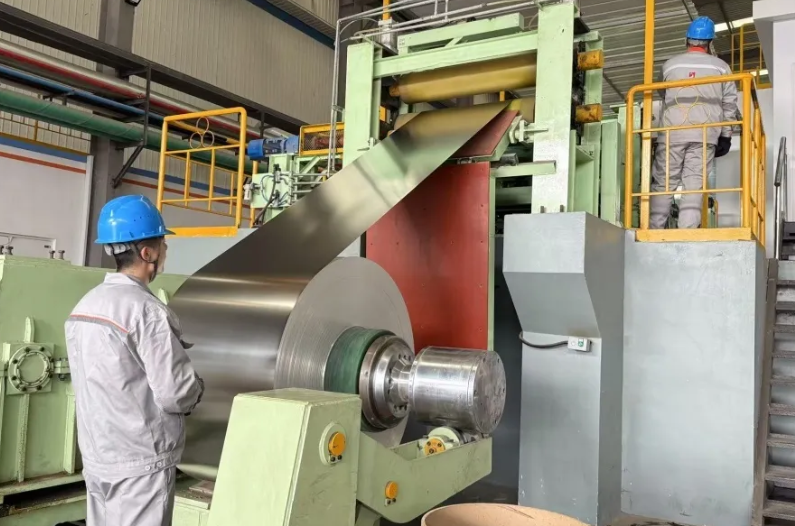
In terms of specifications and classification, tinplate typically uses cold-rolled low-carbon steel as its substrate, with a thickness generally ranging from 0.1 mm to 0.6 mm. It can be classified by hardness into grades such as T1 to T5 and DR7 to DR9; by annealing process into BA (bell annealing) and CA (continuous annealing); and by tin coating thickness, it can be categorised as uniformly coated tinplate and variably coated tinplate. With continuous advances in materials technology, new varieties such as CC materials, DR materials and chrome-plated tinplate are becoming increasingly diverse, further expanding the scope of tinplate’s applications.
Tinplate is widely used in the food and beverage packaging sector, for example in containers for tinned foods, fruit juices, coffee, tea drinks, cola, fizzy drinks and beer. Its excellent processability allows for a wide variety of can shapes—tall or short, square or round—fully meeting diverse packaging requirements. Furthermore, tinplate is widely used in the production of containers for oils and fats, chemicals, aerosols, infant formula and various other products. Thanks to its excellent printability and coating properties, tinplate packaging not only provides reliable physical and chemical protection but also allows for exquisite visual designs.

At present, China's tinplate industry is continuing to develop, with domestic production capacity steadily increasing; with the exception of certain high-end products, the industry has essentially achieved self-sufficiency. With the sustained growth of the food industry and rising demand for higher-quality packaging, tinplate—as a metal packaging material offering excellent performance, safety and environmental friendliness—is set to enjoy even broader market prospects.