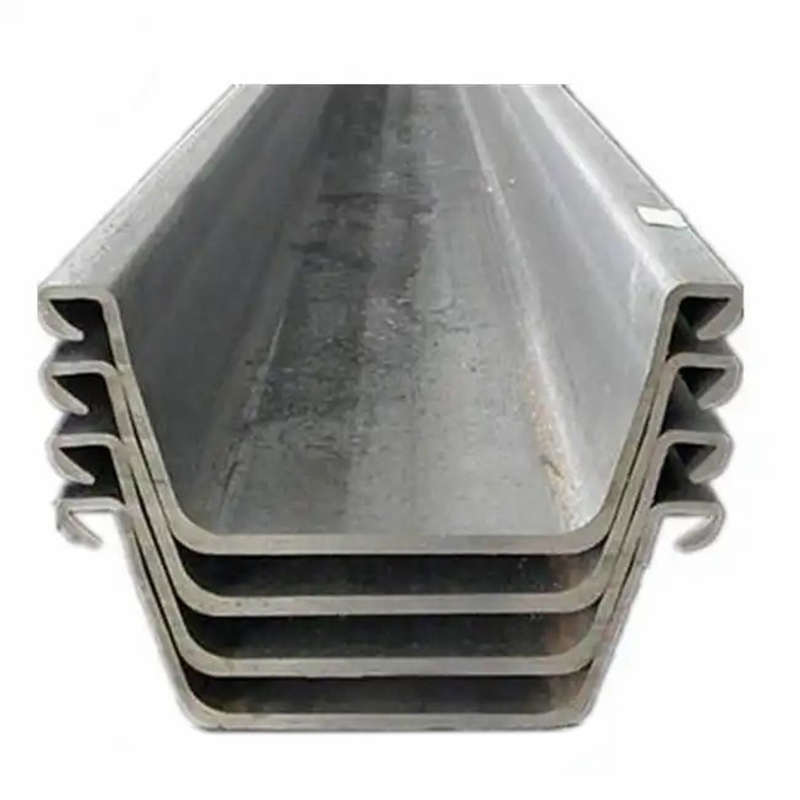
A brief introduction to cast iron pipes and how they differ from steel pipes
Basic Concepts and Classification of Cast Iron Pipes
Cast iron pipes are piping materials formed by casting molten iron. Based on material composition, they are primarily divided into two categories: grey cast iron pipes and ductile iron pipes. In grey cast iron pipes, carbon exists in the form of flake graphite, providing good shock absorption and wear resistance, but the material is relatively brittle.
Advantages of Ductile Iron Pipes
Ductile iron pipes are produced by adding a spheroidising agent during casting, which transforms the graphite into a spherical structure. This results in a tensile strength of over 420 MPa, whilst also providing a degree of ductility. By combining the ‘essence of iron with the performance of steel’, they have gradually replaced traditional grey cast iron pipes.
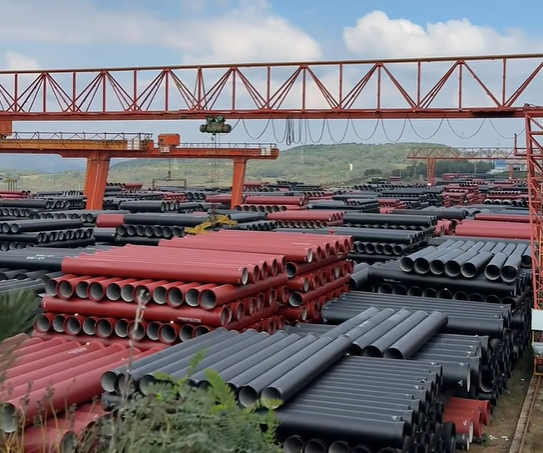
Corrosion Resistance and Long Service Life of Cast Iron Pipes
Cast iron pipes exhibit excellent corrosion resistance in fresh water, and typically have a service life of over 50 years when installed underground. Modern ductile iron pipes feature an inner lining of cement mortar, whilst the outer surface is treated with zinc spraying followed by an asphalt paint or epoxy coating, providing highly reliable corrosion protection.
Joints and Sealing Performance of Cast Iron Pipes
The predominant joint type for cast iron pipes is the flexible socket joint with a rubber ring seal. This type of joint is easy to install, offers good seismic resistance and can accommodate ground settlement. In actual engineering projects, the leakage rate can be as low as 0.5%.
The primary difference from steel pipes: mechanical properties
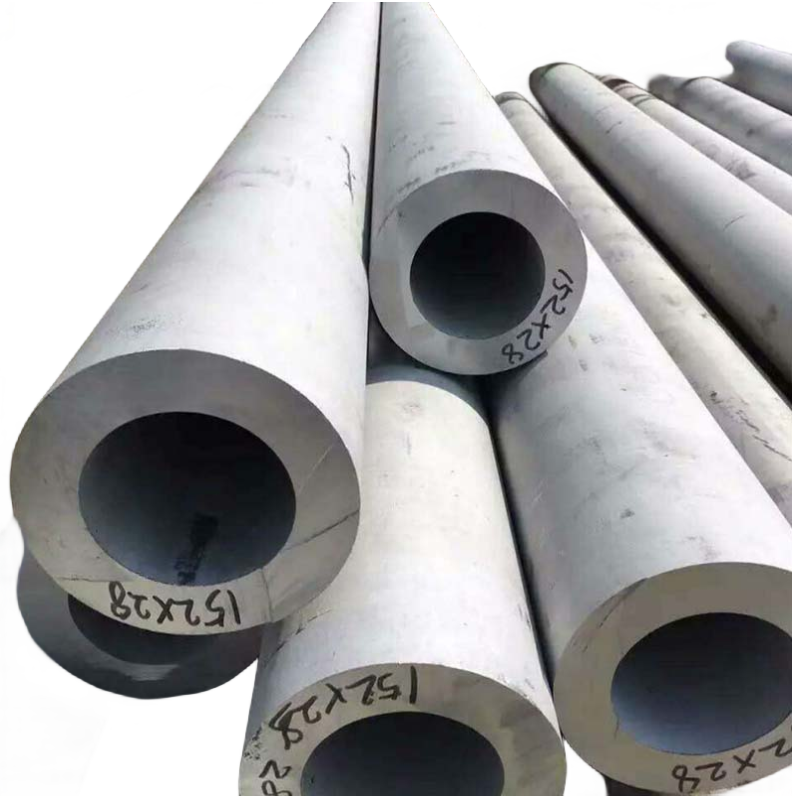
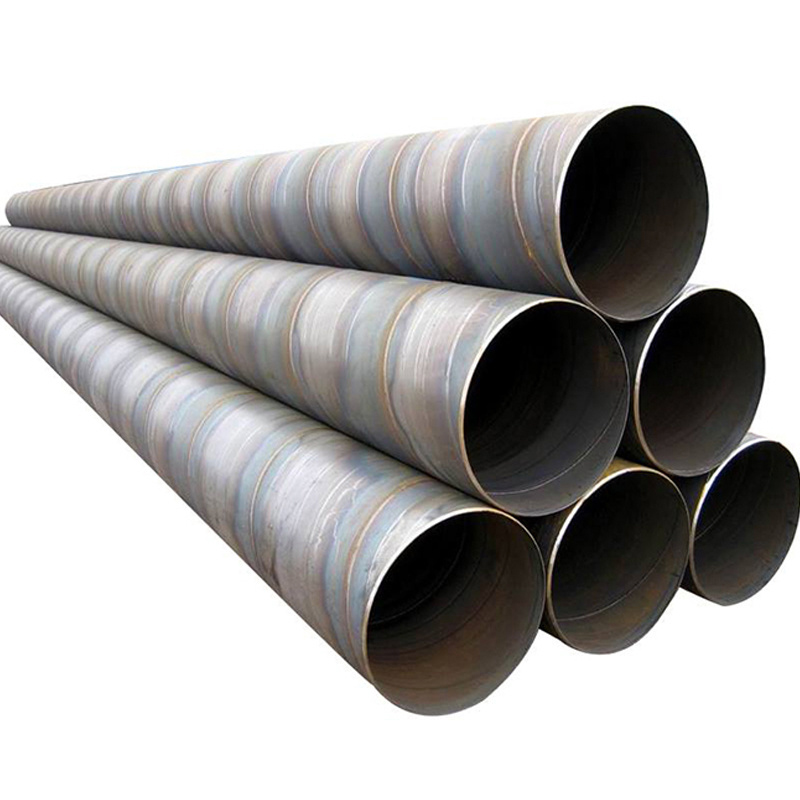
Steel pipes are made from carbon steel, alloy steel or stainless steel, and generally offer superior tensile strength and toughness compared to cast iron pipes. Seamless steel pipes are particularly suitable for high-pressure and high-temperature environments. Although ductile iron pipes can withstand internal pressures of approximately 6 MPa, they are still inferior to steel pipes in applications requiring extremely high pressure resistance.
The second major difference from steel pipes: corrosion resistance
Cast iron pipes offer significantly better corrosion resistance than ordinary carbon steel pipes. Carbon steel pipes are highly susceptible to rust in damp or buried environments and require additional anti-corrosion treatment. Whilst stainless steel pipes are corrosion-resistant, they are costly and have strict welding requirements.
The third major difference from steel pipes: joints and installation
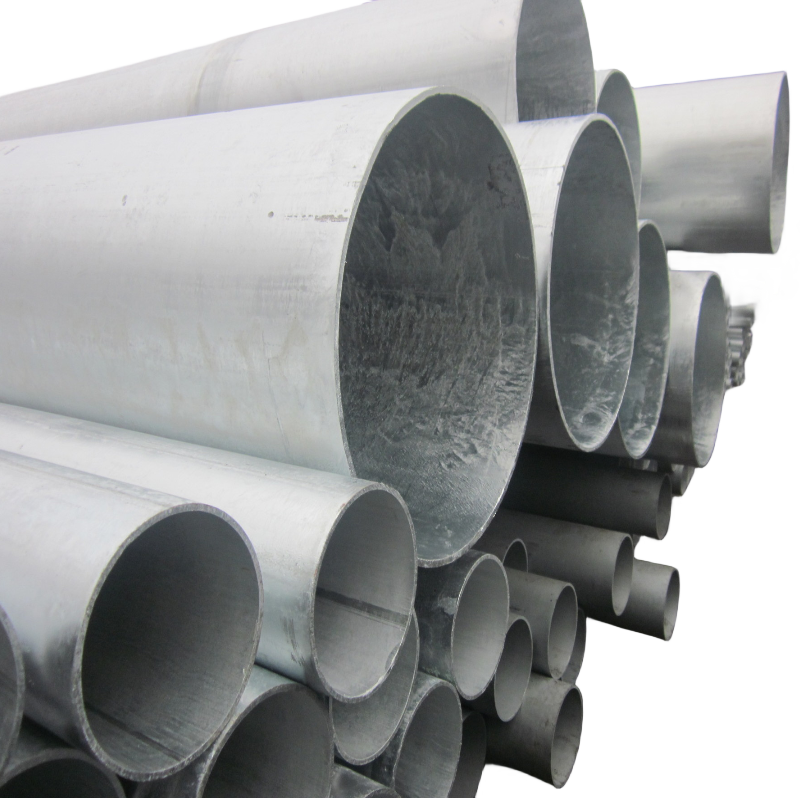
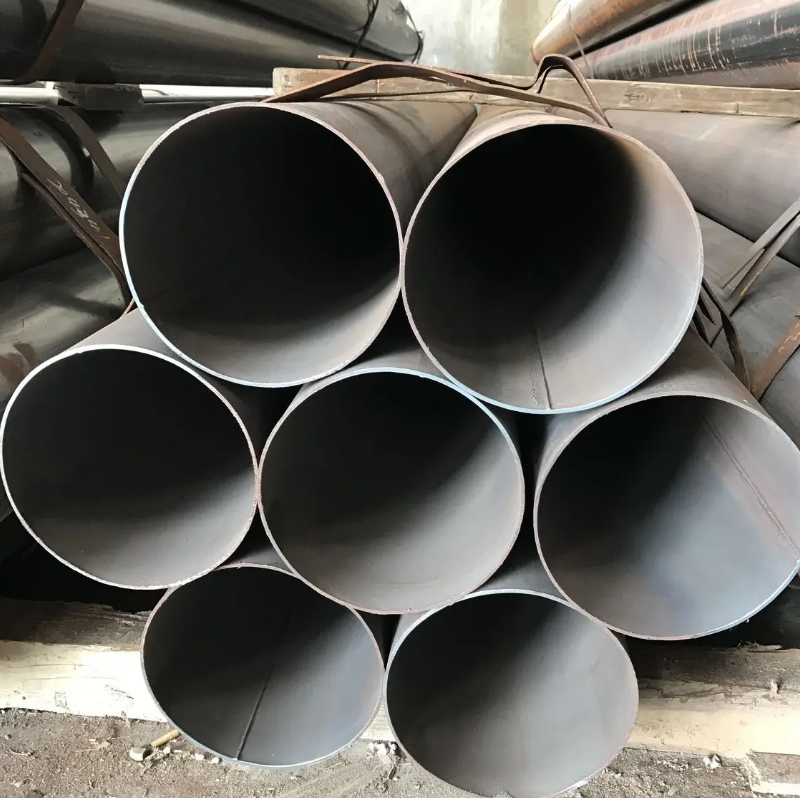
Cast iron pipes are typically connected using flexible rubber gaskets, which are easy to install and provide a reliable seal. Steel pipes, on the other hand, are usually joined by arc welding, which places higher demands on on-site welding techniques and is more difficult to install.
Main Areas of Application
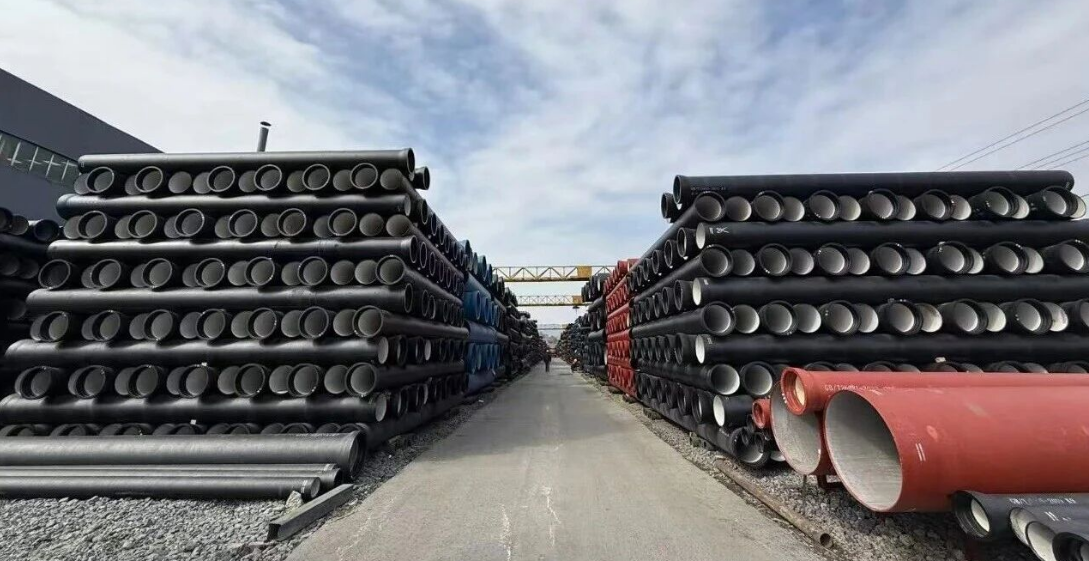
Cast iron pipes are predominantly used in municipal engineering, primarily for urban water supply, sewage and stormwater drainage, low- and medium-pressure gas pipelines, and fire-fighting systems. Steel pipes, on the other hand, are widely used in structural support for buildings, industrial pressure pipelines, the petrochemical industry and mechanical engineering. Each has its own strengths and should not be used as a substitute for the other.