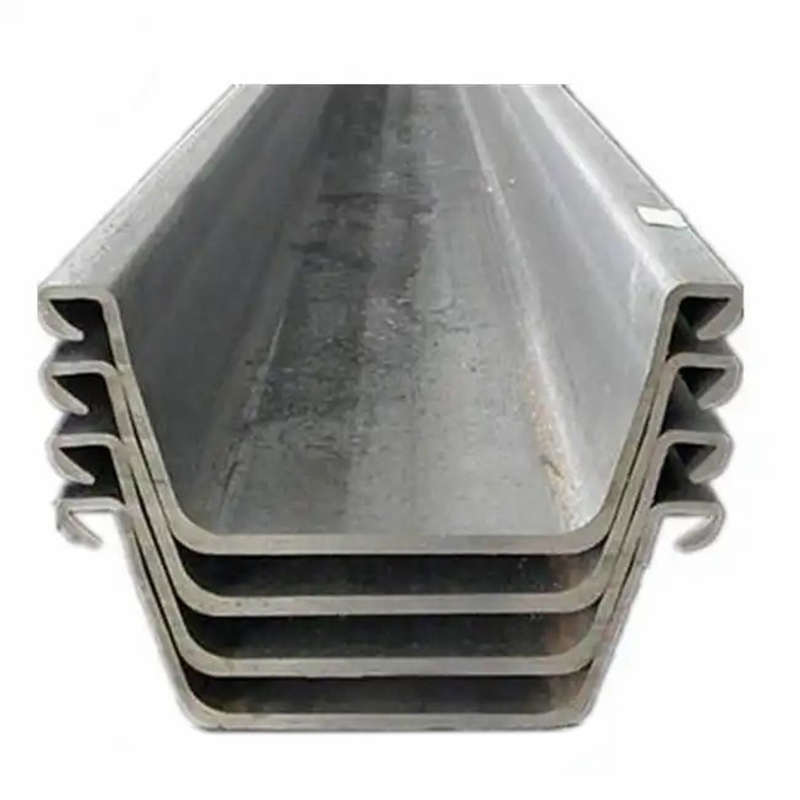
ASTM standard hot-rolled steel coil
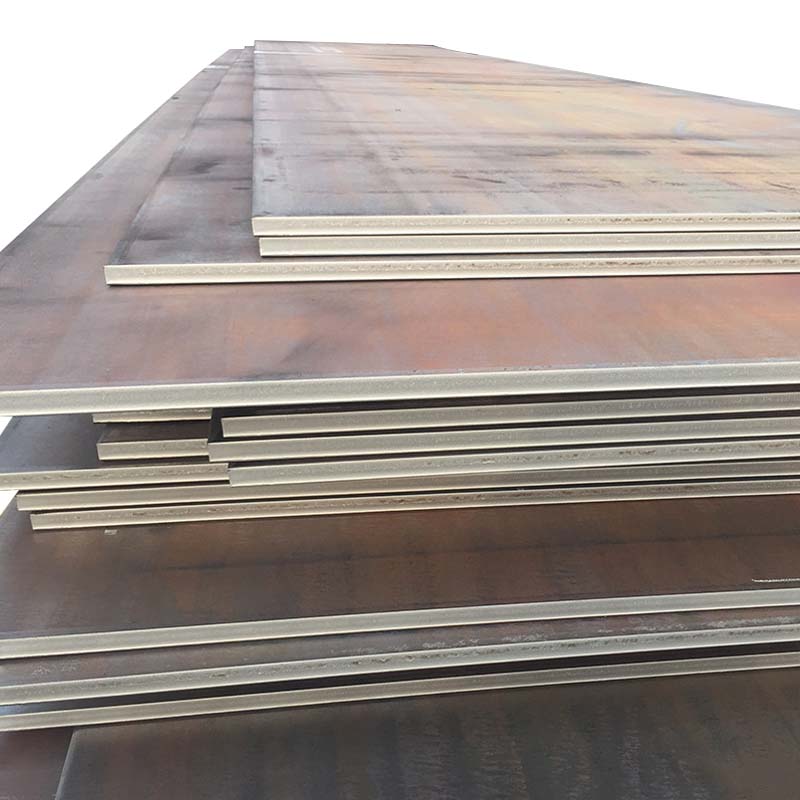
In today's global steel trade and industrial manufacturing, hot-rolled steel coils conforming to ASTM standards occupy a pivotal position. As a semi-finished steel product produced by high-temperature rolling followed by natural cooling, it has become an indispensable basic material in construction, automotive, heavy equipment, and general manufacturing industries due to its balanced mechanical properties, wide range of grades, and significant economic advantages. Its standardized performance indicators provide reliable quality standards and extensive design flexibility for engineering projects worldwide.
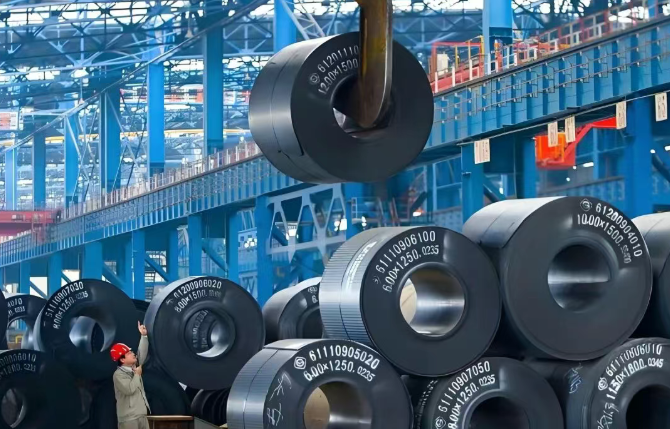
From a material classification perspective, ASTM hot-rolled steel coils mainly cover three types to meet the core needs of different scenarios. First, there is the most widely used ordinary carbon structural steel, represented by grades such as ASTM A36 and A283 Grade C. This type of steel has good strength, ductility, and excellent weldability, making it a classic choice for achieving a balance between cost and performance. It is widely used in various general structural components such as building frames, industrial supports, and platform bases.
When projects demand higher material strength and lightweighting, high-strength low-alloy steel coils become the preferred solution. Typical grades include ASTM A572 Grade 50 and A992. These steels, through the addition of trace alloying elements, significantly improve yield strength while maintaining good toughness and weldability. Their high strength and lightweight characteristics help optimize structural design and reduce material usage, thus they are widely used in critical load-bearing structures such as long-span bridges, high-rise building frames, and heavy equipment frames.
For parts requiring further cold bending and stamping, commercial-grade and deep-drawing hot-rolled steel coils exhibit unique advantages, such as ASTM A1011 CS and DS types. These products offer specific control over surface quality and formability, possessing better ductility and uniform deformation capabilities. They are commonly found in automotive parts, appliance housings, various cabinets, and products manufactured through complex stamping processes, serving as an important intermediate material connecting hot-rolled sheets and precision cold-rolled finished products.
In summary, the ASTM hot-rolled steel coil grade system clearly distinguishes the performance orientation of materials, from basic load-bearing capacity to high strength and lightweight, and further to advanced processing, providing engineers and manufacturers with a systematic selection spectrum. Correctly understanding and selecting the appropriate grade is a crucial step in ensuring project safety, controlling manufacturing costs, and optimizing product performance. With the continued upgrading of global infrastructure and manufacturing, this type of standardized, high-performance steel will continue to support the robust development of modern industry.