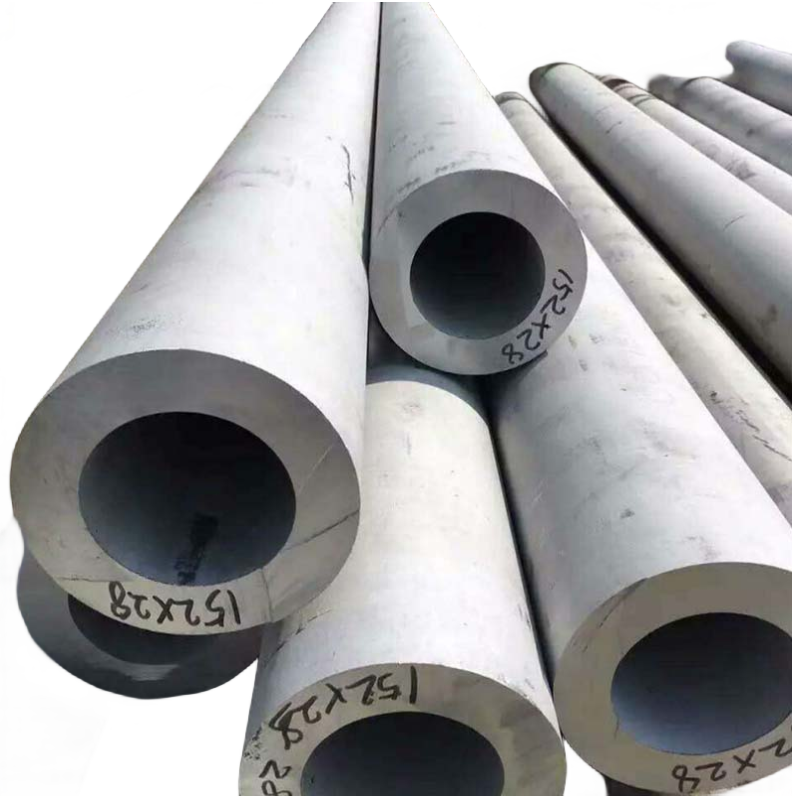
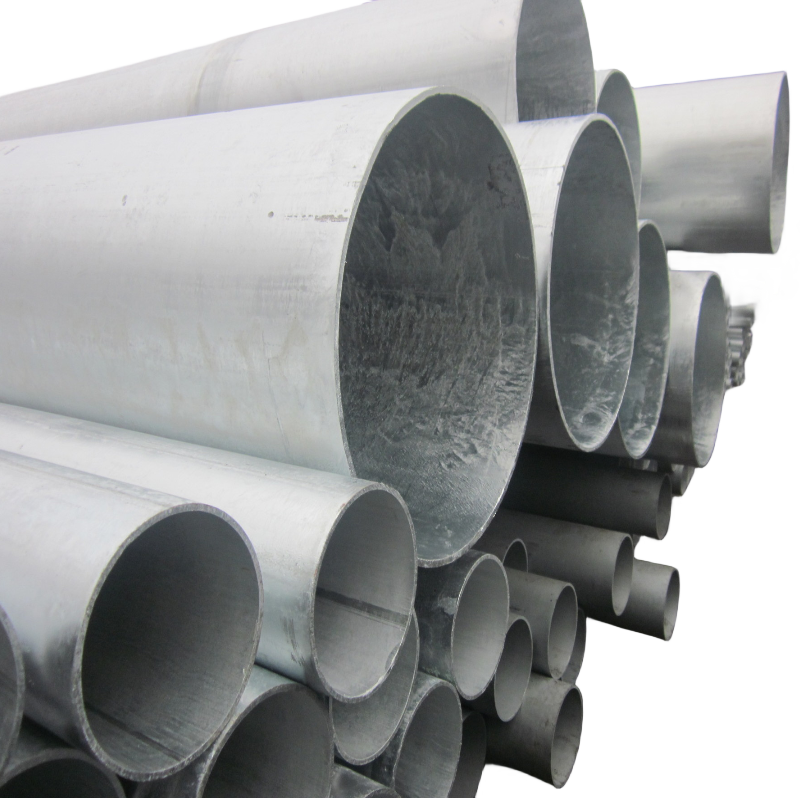
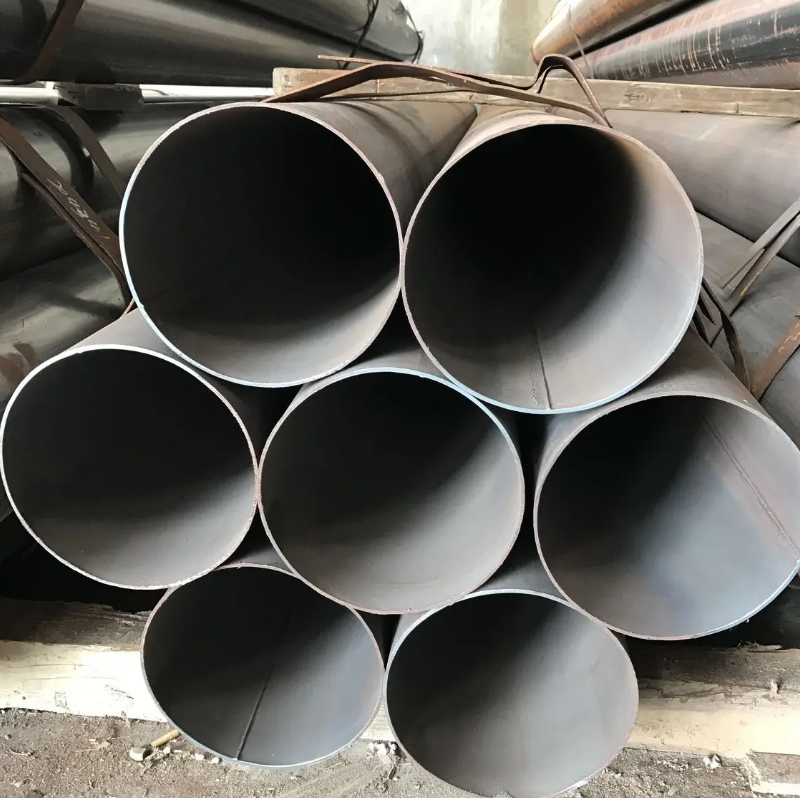
Thick-walled stainless steel seamless pipe
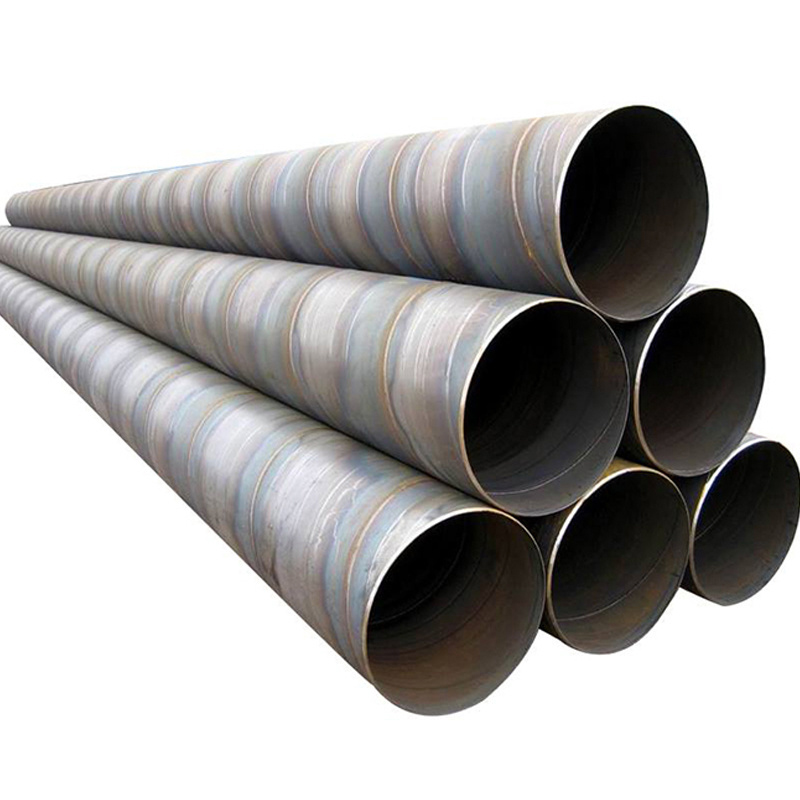
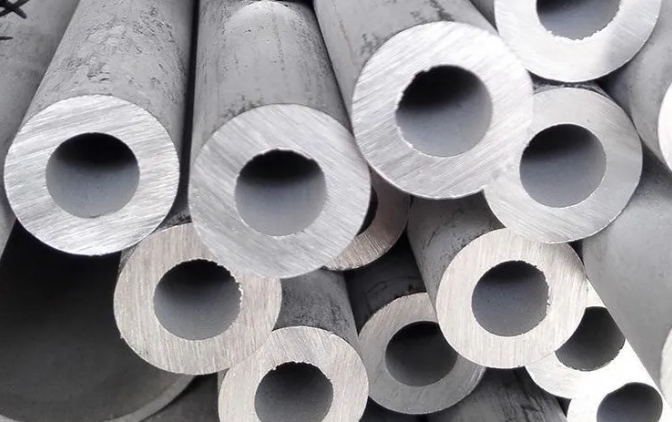
Thick-walled stainless steel seamless tubes are a type of pipe formed in one piece through processes such as hot rolling or cold drawing. They are named for their significant wall thickness and seamless construction. As a stainless steel material, it not only has advantages such as corrosion resistance and high strength, but also demonstrates irreplaceable value in special environments and critical applications due to the combination of "thick walls" and "seamless" processes.
Product performance
Compared to ordinary steel pipes or welded pipes, thick-walled stainless steel seamless pipes excel in several dimensions:
Regarding structural integrity and pressure resistance, seamless forming technology fundamentally eliminates the potential weak point of welds, avoiding problems such as porosity, slag inclusions, or performance degradation in the heat-affected zone that may occur during welding. Combined with the thick pipe wall, it can withstand extremely high internal pressure and external loads, providing a high degree of safety redundancy.
Regarding corrosion and erosion resistance, the stainless steel matrix (such as 304, 316, 316L, etc.) itself possesses excellent corrosion resistance. The thick-walled design not only increases the service life of the material in corrosive media but also effectively resists the erosion and wear of the pipe wall by high-speed fluids and particles, making it particularly suitable for harsh working conditions.
Regarding temperature resistance and thermal stability, it maintains stable mechanical properties and dimensional stability under both high-temperature (up to 800-900°C) and low-temperature (cryogenic conditions) environments, and is not prone to creep or embrittlement, ensuring the long-term safe operation of heat exchange systems, high-temperature and high-pressure pipelines, etc.
Regarding machining and forming potential, despite its large wall thickness, high-quality stainless steel still possesses good plasticity and toughness, and can meet the special requirements for pipe shapes in complex system layouts through specialized processing techniques such as bending, flaring, and necking.
Regarding cleanliness and hygiene, the inner wall is smooth and seamless, making it difficult for media to accumulate or bacteria to grow. Furthermore, the material itself is non-toxic and does not leach out, fully meeting the stringent hygiene standards required by the food, pharmaceutical, and bioengineering industries.
Regarding economics and sustainability, although the initial investment cost is high, its extremely long service life, minimal maintenance requirements, and the advantage of not needing frequent replacements result in significant economic benefits throughout its entire life cycle. Additionally, stainless steel is 100% recyclable, aligning with the concept of green and environmentally friendly development.
Specific Product Selection
When selecting thick-walled stainless steel seamless pipes, it's not simply a matter of "the thicker the better," but requires systematic engineering matching:
Material Grade Selection: The selection should be based on the medium and environment. For example, 304/304L is used for general applications; 316/316L is used when higher resistance to pitting and chloride corrosion is required; in highly corrosive chemical environments or marine environments, super duplex steel (such as S32750) or higher-grade alloys may be necessary.
Engineering Calculations for Wall Thickness and Specifications: The wall thickness must be calculated and verified strictly according to pipeline design standards such as ASME B31.3 and GB/T 20801, based on parameters such as design pressure, temperature, external load, corrosion allowance, and machining thinning, to ensure a balance between safety and economy.
Application Areas
Thick-walled stainless steel seamless pipes play an important role in many fields. Here are some common application areas:
Energy and Power Sector: They are the first choice for high-temperature and high-pressure steam pipes and boiler components in supercritical and ultra-supercritical thermal power generating units; in nuclear power plants, they are used for nuclear-grade main pipelines, pressurizer surge tubes, and other safety-level equipment; they are also widely used in solar thermal power generation collector piping systems.
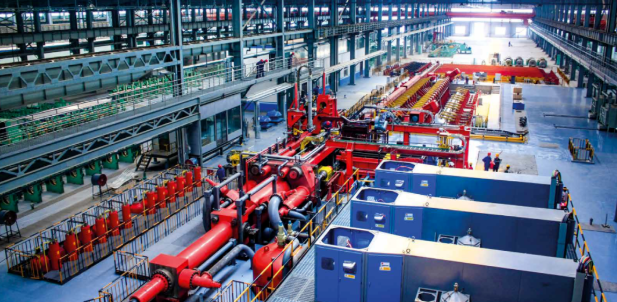
Petrochemical and Marine Engineering: Used in key high-temperature and high-pressure process pipelines such as subsea oil and gas pipelines, hydrocracking and reforming reactions in refining and chemical plants, as well as structural components and transportation systems of offshore platforms, resisting corrosion from complex media such as seawater and hydrogen sulfide.
High-end Equipment and Precision Manufacturing: Serving as core load-bearing or fluid transmission components such as hydraulic supports, precision mechanical spindles, fuel/hydraulic pipelines for aerospace engines, and rocket engine casings, requiring extremely high material reliability.
Special Equipment and Extreme Environments: Applied to cryogenic liquid (such as LNG) storage and transportation equipment, support structures for superconducting devices, and high-pressure reactors and pipeline systems in the chemical industry, withstanding extreme temperature and pressure challenges.
Public Welfare and High-Tech Industries: Providing safe, durable, and clean solutions in key steel structure nodes of large buildings (such as airports and stadiums), special gas transportation pipelines in semiconductor manufacturing equipment, and high-end medical devices (such as CT scanner supports).