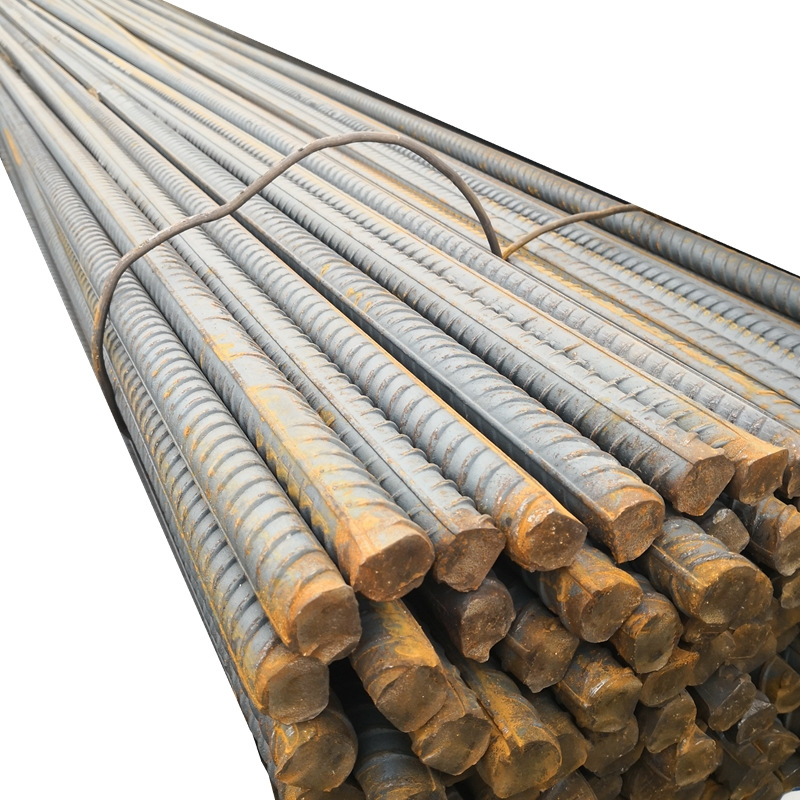
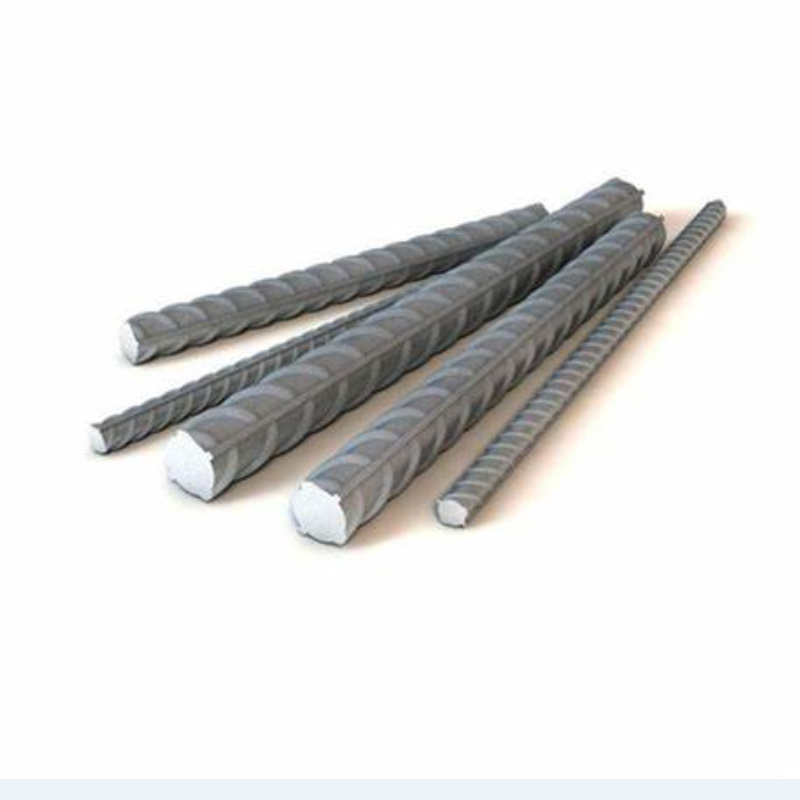
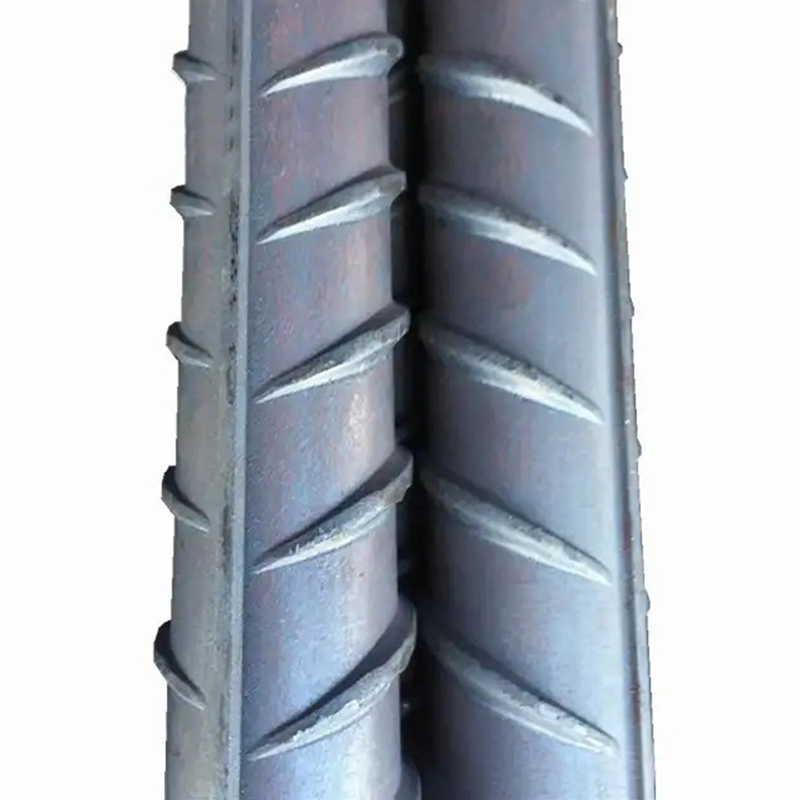
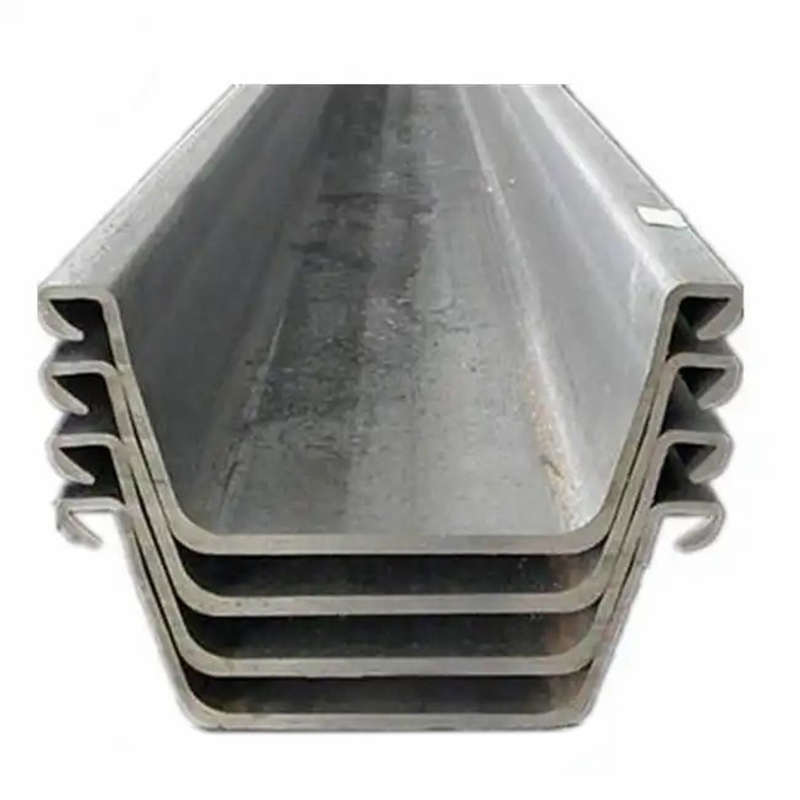
High-Strength Seismic Rebar: 500 Reinforcing Steel
Internationally recognized Grade 500 reinforcing bars (such as ASTM A706 Grade 500 and Eurocode B500C) are highly consistent with China's HRB500E reinforcing bars in core performance characteristics (high strength, high ductility, seismic resistance) and are mutually equivalent. This article primarily introduces HRB500E reinforcing bars. For specific procurement details, please send an email to the address provided on this website. A dedicated business representative will contact you.
HRB500E rebar stands as a significant milestone in the upgrading of China's construction steel materials, representing the direction of modern engineering materials toward high strength, high ductility, and high seismic resistance. It plays an irreplaceable role in ensuring building safety and promoting green construction, becoming the preferred material for high-rise buildings, critical infrastructure, and projects in seismic zones.
I. Manufacturing Processes
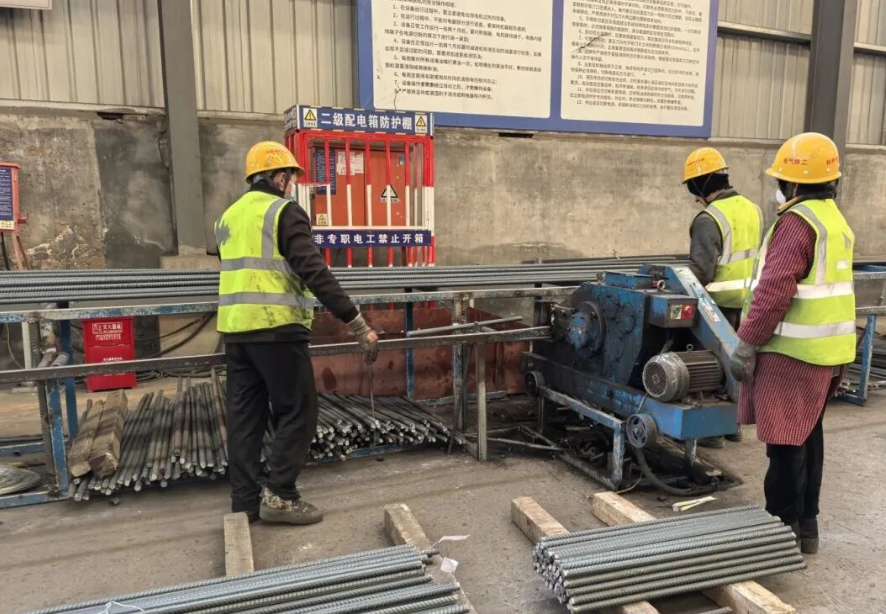
From the production source, the quality of HRB500E rebar begins with precise material design and rigorous manufacturing processes. It utilizes high-quality low-alloy steel billets, employing scientific composition ratios to ensure strength while maintaining excellent weldability. During production, the integration of microalloying technology with controlled rolling and cooling processes is pivotal to its exceptional performance. The addition of trace elements like vanadium and niobium refines the steel's grain structure, while precisely controlled rolling temperatures and cooling rates optimize the material's microstructure. This meticulous control throughout the entire process—from steelmaking and continuous casting to rolling—ultimately delivers stable mechanical properties and outstanding ductility in the finished steel bars.
II. Standard System
The standard system serves as a crucial safeguard for the reliability of HRB500E rebar performance. China's current national standards impose explicit and stringent technical requirements on HRB500E: the “500” denotes a yield strength of no less than 500 MPa, while the “E” signifies its exclusive designation as seismic-resistant rebar. The most critical indicators are a minimum yield-to-tensile strength ratio of 1.25 and a maximum post-yield tensile strength ratio of 1.30. These ensure the rebar yields without fracturing under seismic forces, effectively absorbing and dissipating seismic energy. Compared to international standards in Europe, the United States, and Japan, China's standards impose stricter seismic performance requirements. This reflects China's seismic design philosophy of “minor earthquakes cause no damage, moderate earthquakes allow for repairs, and major earthquakes prevent collapse,” making HRB500E particularly suitable for construction projects in high-intensity seismic zones.
III. Practical Applications
In practical engineering applications, HRB500E rebar demonstrates significant technical and economic advantages. In high-rise construction, its high strength allows for reduced cross-sections in vertical components like columns and walls, increasing the building's usable space. In infrastructure projects such as large bridges and airport terminals, it provides enhanced safety reserves for core load-bearing sections. Compared to traditional HRB400 rebar, HRB500E boasts approximately a 25% increase in strength. This means that for equivalent load-bearing requirements, steel usage can be reduced by 15%-20%. This not only lowers material costs but also decreases energy consumption during transportation, processing, and construction. From the colossal roof of Beijing Daxing International Airport to the perilous bridges and tunnels of the Sichuan-Tibet Railway, from the smart construction in Xiongan New Area to high-rise residential buildings nationwide, HRB500E rebar is supporting new heights in China's construction with its reliable performance.

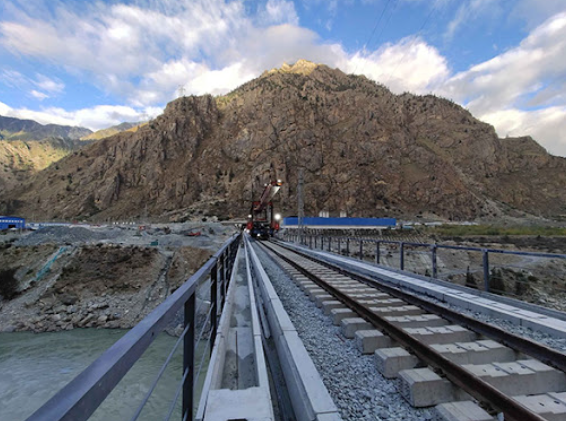
Looking ahead, with the advancement of construction industrialization and the implementation of the dual carbon goals, the development of HRB500E rebar will increasingly emphasize green and low-carbon practices throughout its entire lifecycle. New material research will advance toward higher strength and superior corrosion resistance, while production processes will continuously reduce environmental impact. The integration of smart construction technologies will enable full-process quality traceability from manufacturing to installation. As the robust backbone of modern engineering, HRB500E rebar will continue empowering construction through technological innovation, providing a solid foundation for creating safer, greener living environments. It will write new chapters in engineering projects across China and the world.