Stainless steel sheet processing technology
As a high-performance metal material, the final properties of stainless steel sheet rely on a series of precise and orderly processing techniques. These techniques not only give the sheet the required shape and size, but also fundamentally optimize its internal structure and overall performance, enabling it to meet the complex needs of everything from everyday consumer goods to cutting-edge industries.
Among numerous processing methods, heat treatment is the core step in adjusting the intrinsic quality of stainless steel. It alters the material's microstructure by precisely controlling temperature and the cooling process. The main processes include quenching, annealing, tempering, normalizing, and surface hardening. For example, normalizing involves heating the steel sheet to a critical temperature and then cooling it in air, effectively refining the grains, homogenizing the microstructure, and eliminating internal stress; while quenching and subsequent tempering can improve hardness while ensuring sufficient toughness. These heat treatments are not mandatory for all stainless steels, but rather targeted strengthening processes based on their grade and end use, and are key to unlocking the material's potential.

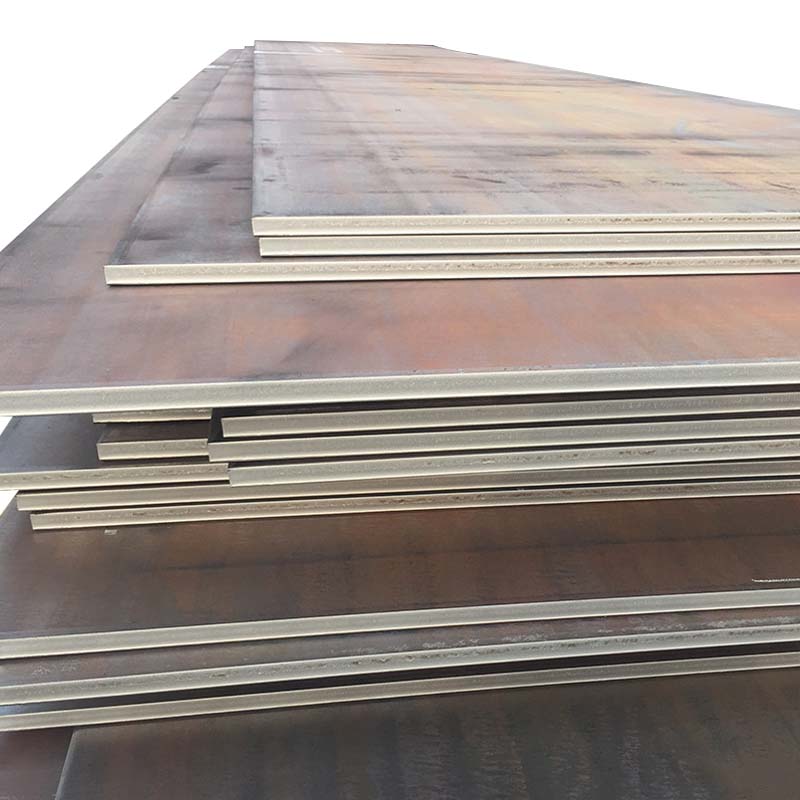
Forming and shaping primarily rely on processes such as rolling. Rolling is categorized into hot rolling and cold rolling based on temperature. When the rolling temperature exceeds the recrystallization temperature of stainless steel, it is called hot rolling. This method is suitable for producing thick plates and is highly efficient. Cold rolling, performed below the recrystallization temperature, imparts higher strength, better surface finish, and more precise dimensions to the sheet, and is often used for products with higher precision requirements. In addition, stainless steel sheets require a series of processing steps, including cutting, bending, stamping, and welding, to transform from raw flat plates into various final products. The selection and coordination of each process profoundly affects the quality, performance, and cost of the product.
In conclusion, the processing of stainless steel sheets is a systematic project, with each process interconnected, from heat treatment to improve the inherent properties of the material to rolling and forming to impart shape. Factories must select appropriate combinations of processes based on the scientific characteristics of the material and the specific requirements of the application to ensure that the stainless steel sheets exhibit optimal performance and meet the needs of diverse application scenarios. This vividly demonstrates the integration of materials science and manufacturing technology.