Ministry of Ecology and Environment: 90% of Nation's Steel Production Capacity Completes Ultra-Low Emission Upgrades
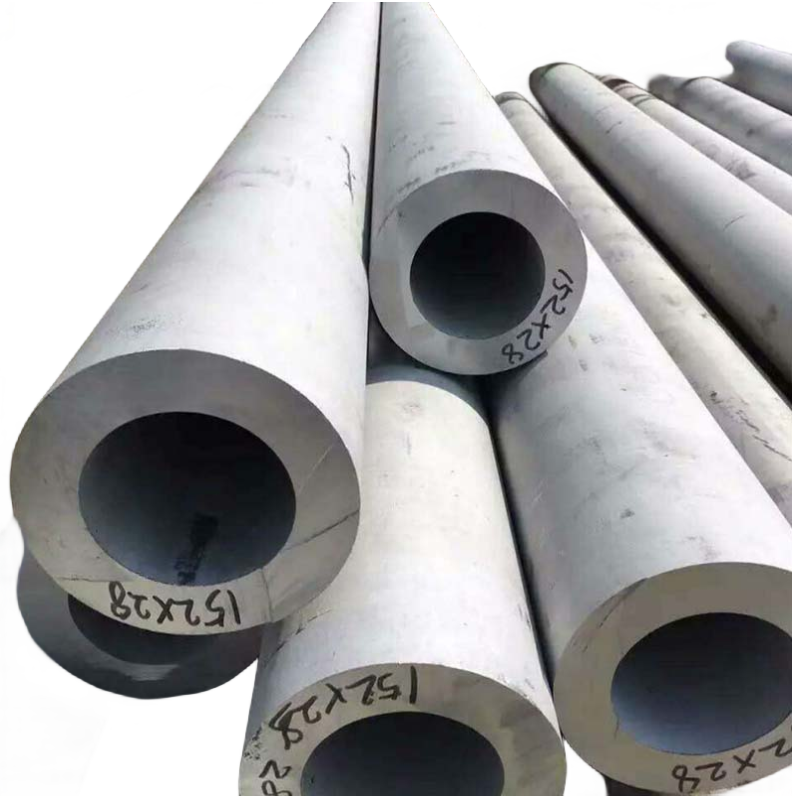
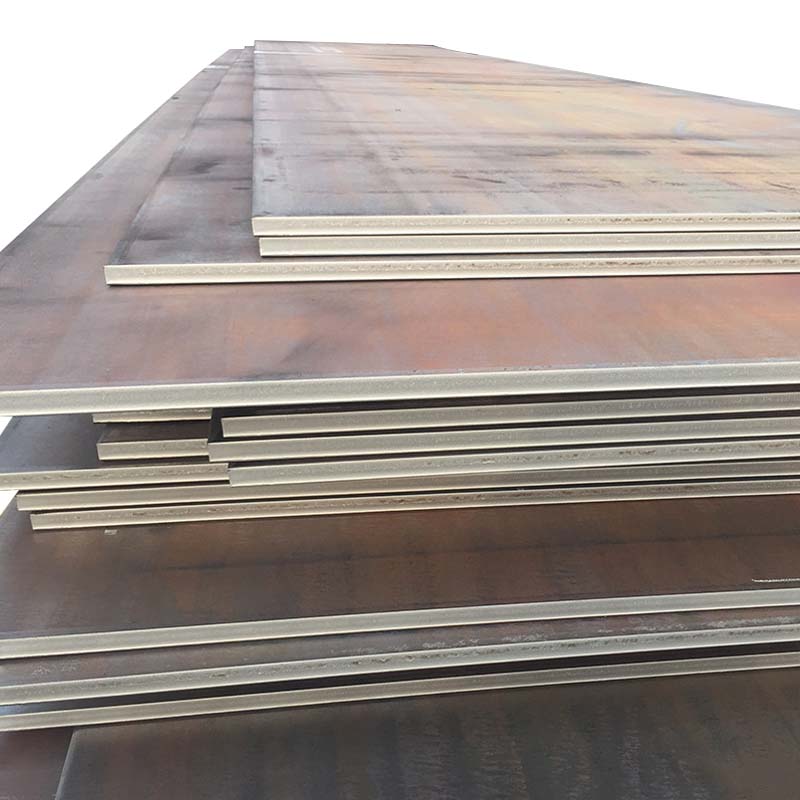
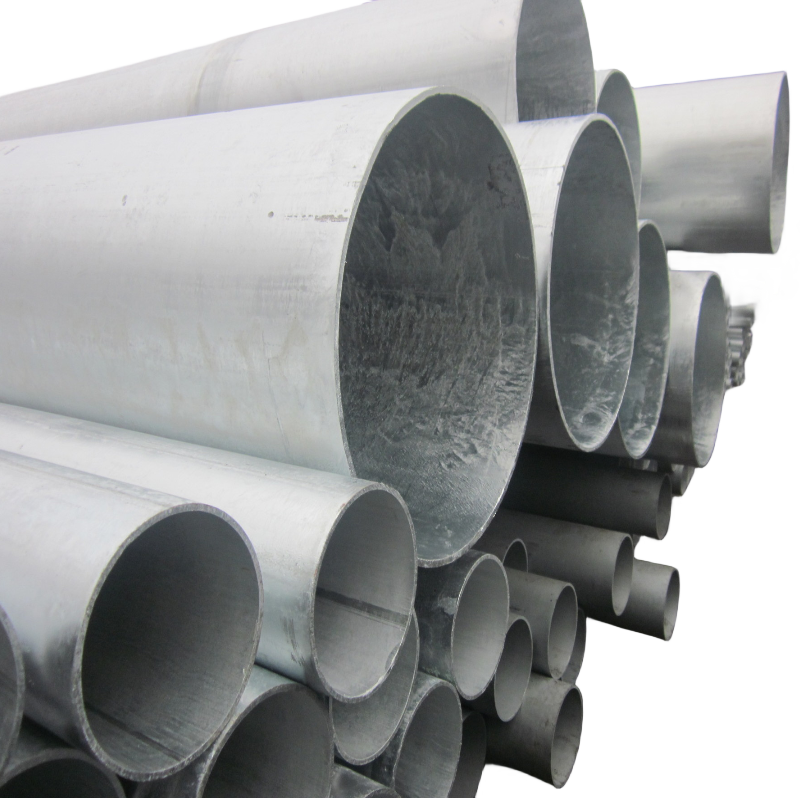
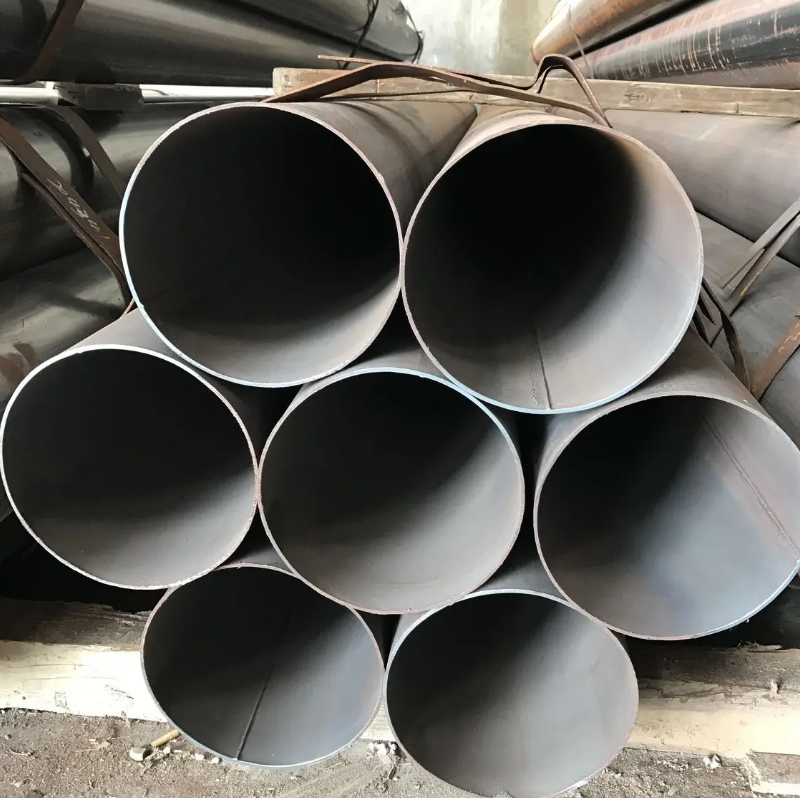
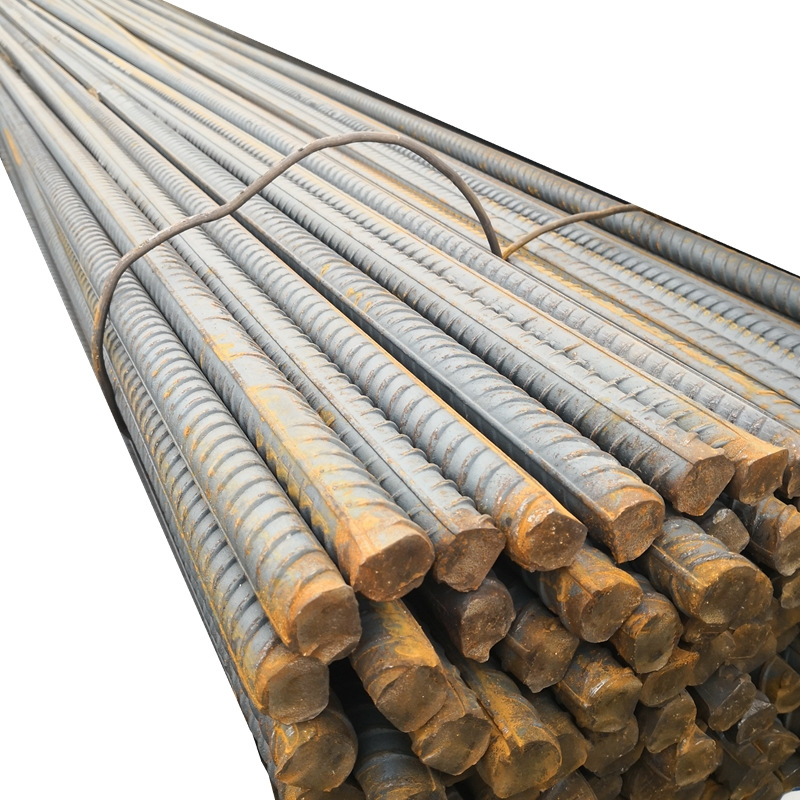
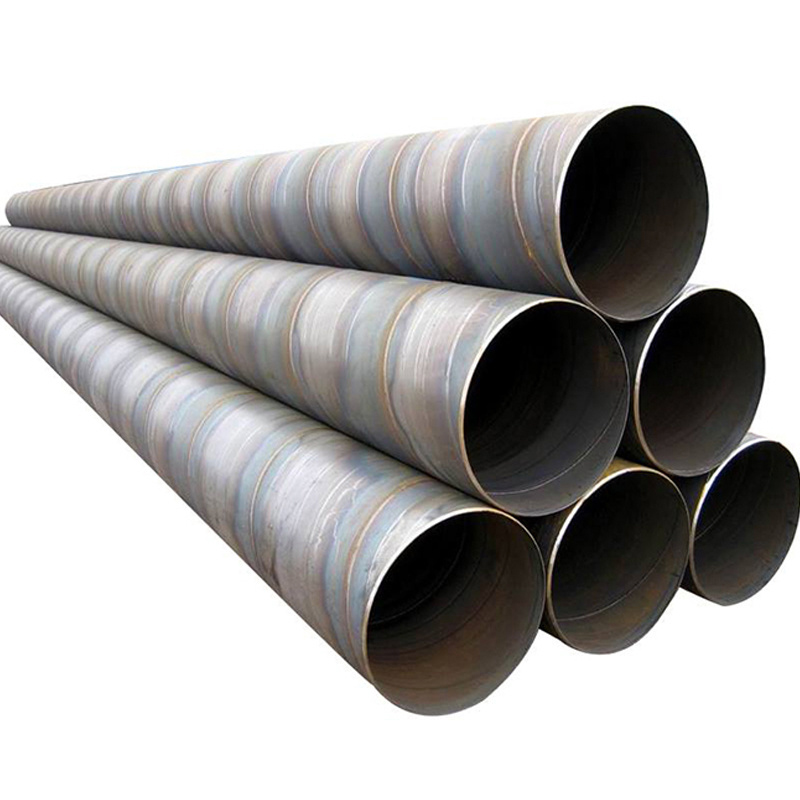
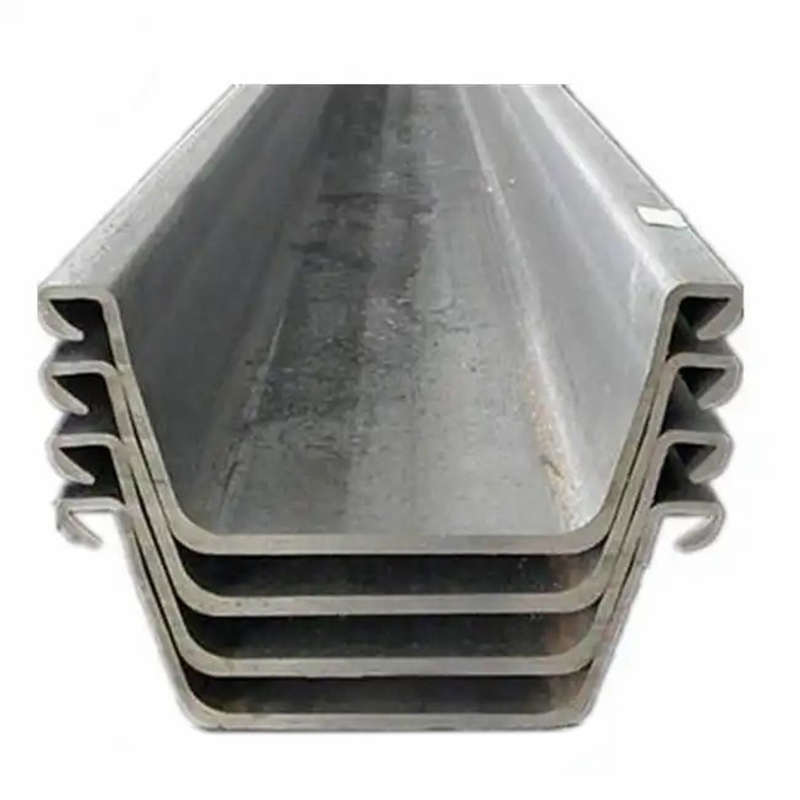
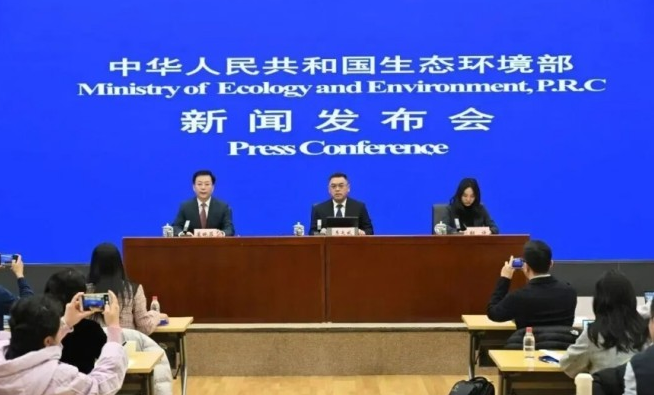
On February 27, the Ministry of Ecology and Environment held a regular press conference. Li Tianwei, Director-General of the Department of Atmospheric Environment, stated in response to a reporter's question that during the 14th Five-Year Plan period, China achieved remarkable progress in air pollution control, with deep emission reductions in key industries playing a pivotal role. Currently, 95% of coal-fired power units and 90% of steel production capacity nationwide have achieved ultra-low emissions. China has established the world's largest clean coal power generation system and clean steel production system. This series of upgrades has not only significantly reduced pollutant emissions but also become a key driver for the green transformation of industries.
According to Li Tianwei, ultra-low emission retrofits in the steel industry have cumulatively stimulated over 400 billion yuan in social investment, significantly accelerating the rapid development of emerging sectors such as energy conservation and environmental protection, clean transportation, and new energy heavy-duty trucks. In 2024, China's new energy heavy-duty truck sales surged by 173% year-on-year, fully demonstrating the “engine effect” of pollution control in fostering new productive forces. Taking the traditional industrial city of Tangshan as an example, he pointed out that through steel industry restructuring and ultra-low emission upgrades, the city achieved a 60% reduction in PM2.5 concentrations by 2025 compared to 2015, while simultaneously growing its GDP to a trillion-yuan scale. This success story exemplifies a “win-win” scenario where industrial upgrading and air quality improvement go hand in hand.
Additionally, to address the widespread and dispersed pollution sources and treatment challenges, the Ministry of Ecology and Environment has adopted a dual-pronged strategy of tackling both scattered sources and difficult cases. Over the past five years, the nation has completed the treatment of scattered coal use in 42 million households, reducing coal consumption by over 80 million tons. Simultaneously, through comprehensive, full-chain management, nearly 140,000 VOCs (volatile organic compounds) treatment challenges have been resolved. Additionally, 142 new “Green Island” projects have been established, enabling centralized pollution control for small and medium-sized enterprises and effectively overcoming the high cost of treatment.
Looking ahead to the 15th Five-Year Plan period, Li Tianwei emphasized that air quality improvement remains contingent upon the implementation of emission reduction efforts. Future efforts will center on three key priorities: “Consolidation”—advancing ultra-low emission upgrades in industries like coking and cement with high quality, while strictly preventing the resurgence of scattered coal use; ‘Upgrading’—focusing on rectifying inefficient and ineffective facilities to drive traditional industrial clusters toward green, high-end transformation; and “Supervision”—accelerating the application of digital tools to rigorously investigate fraudulent practices, ensuring genuine ultra-low emissions and real reductions take effect, thereby laying a solid foundation for building beautiful blue skies.