China will implement export licensing management for multiple steel products starting next year.
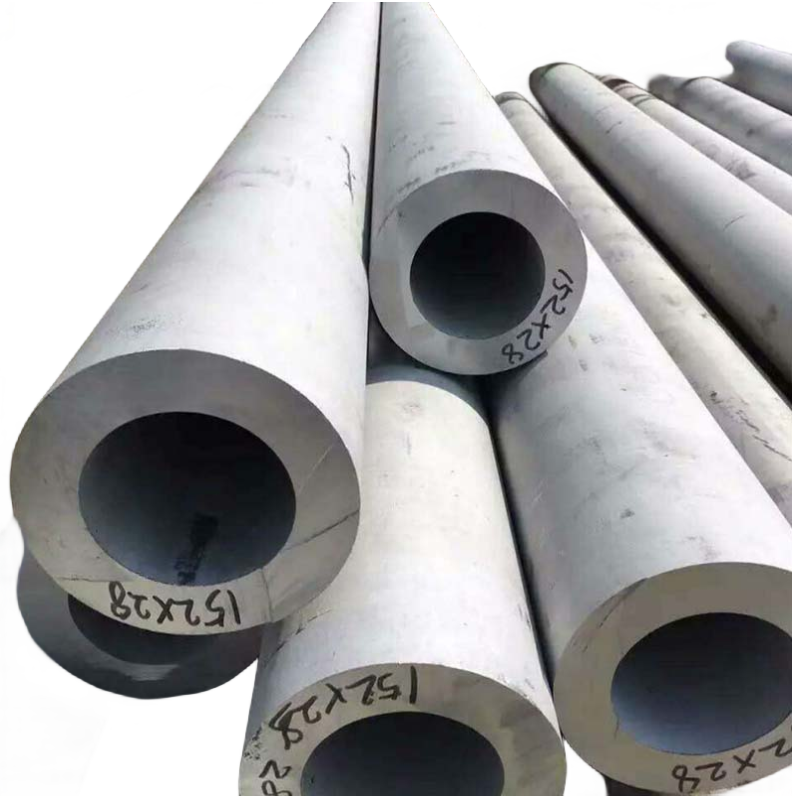
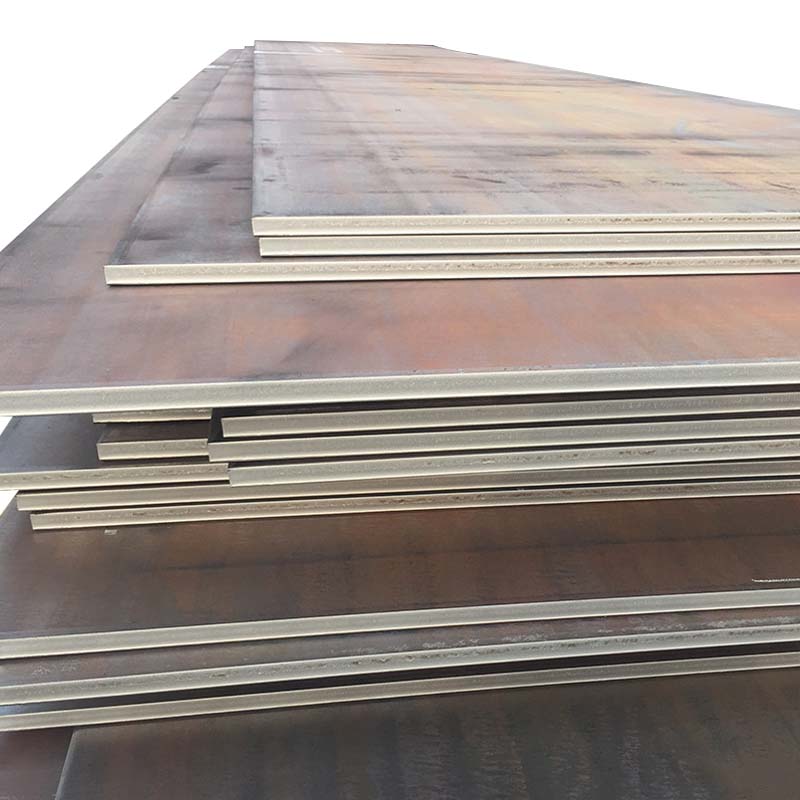
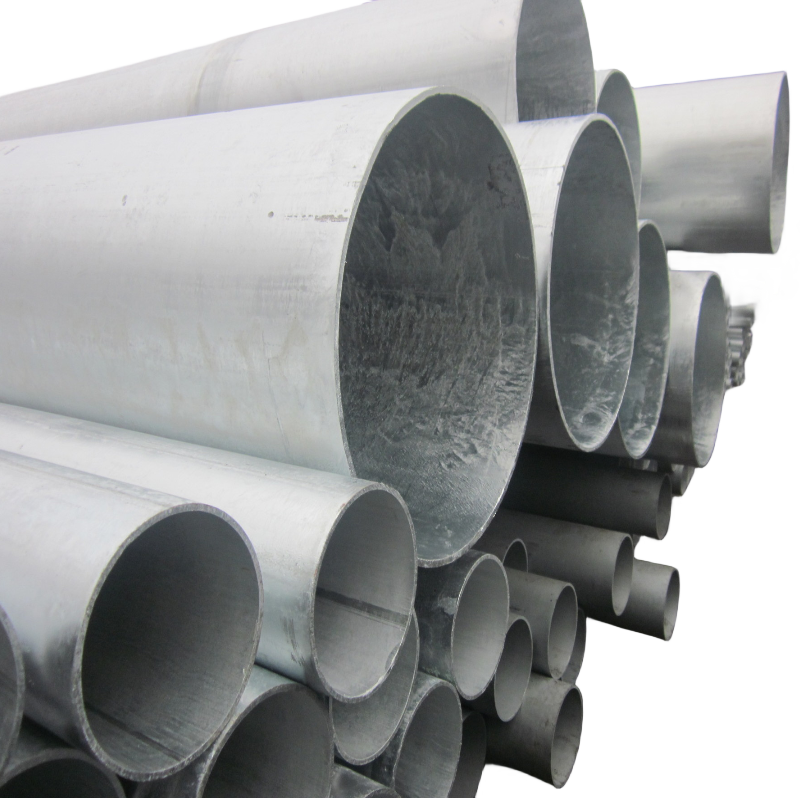
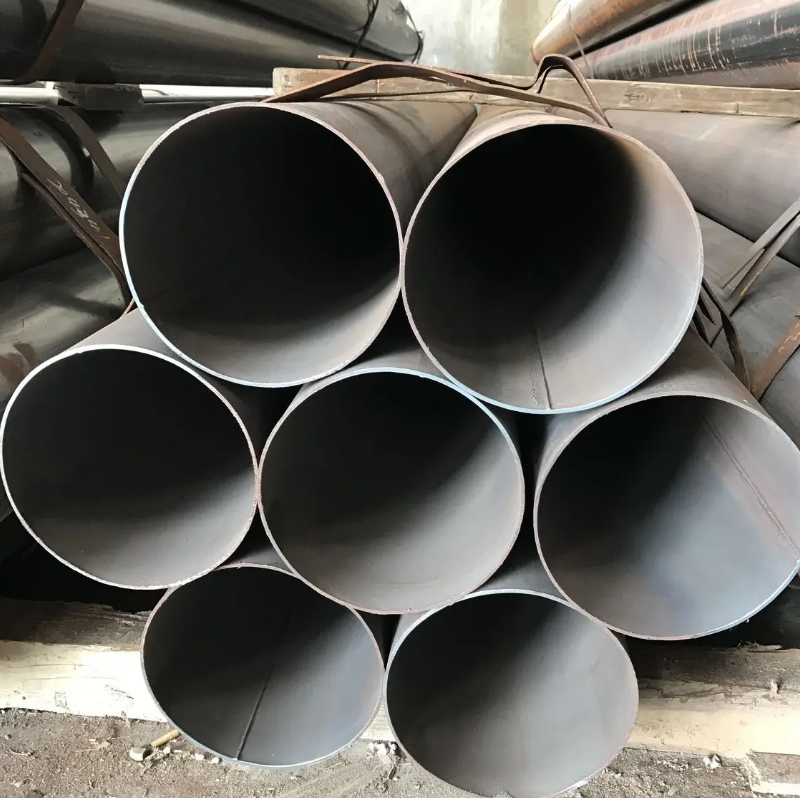
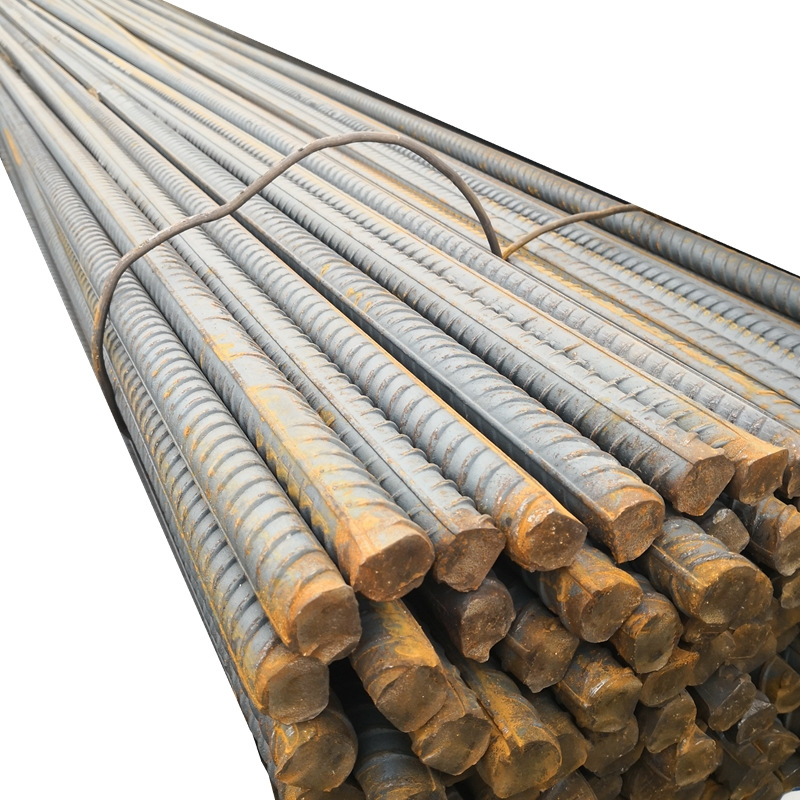
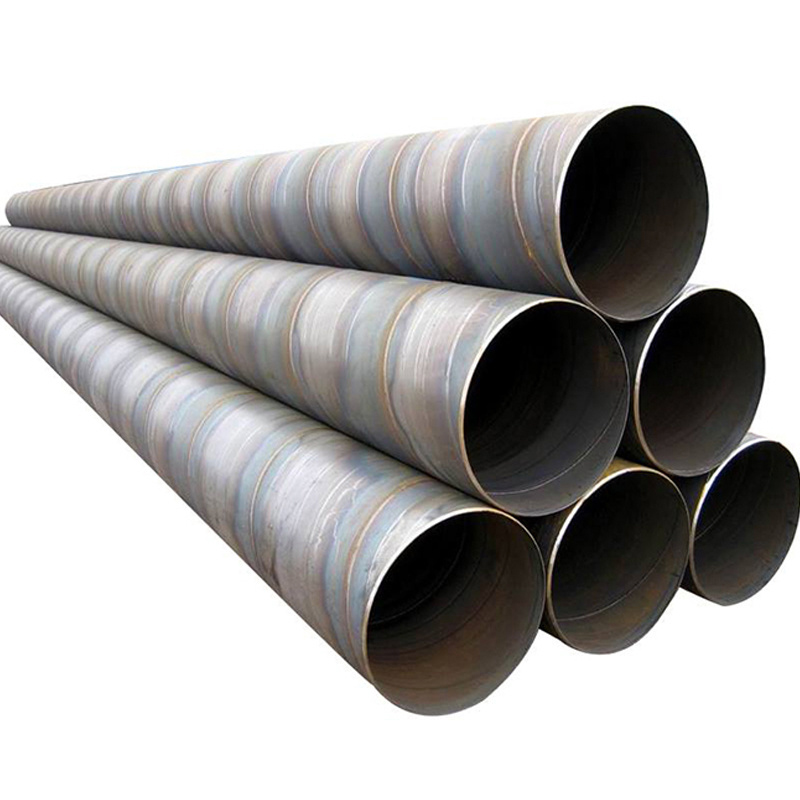
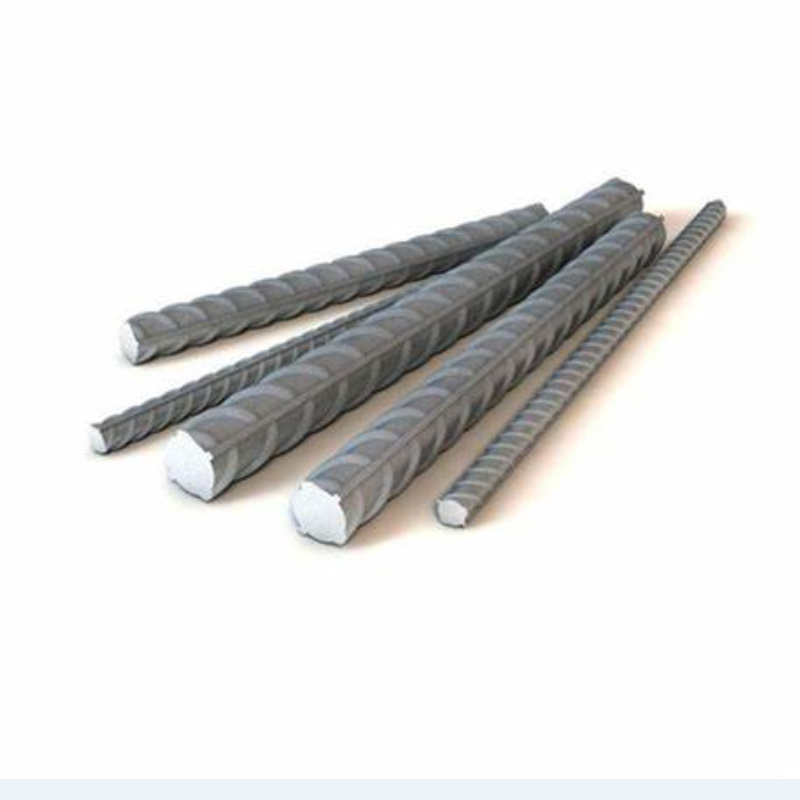
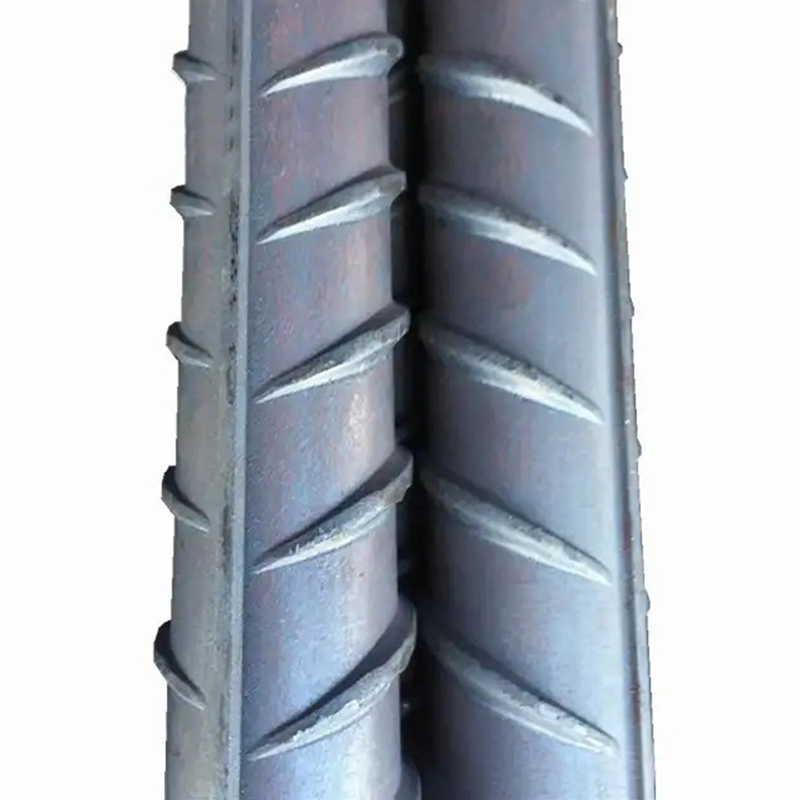
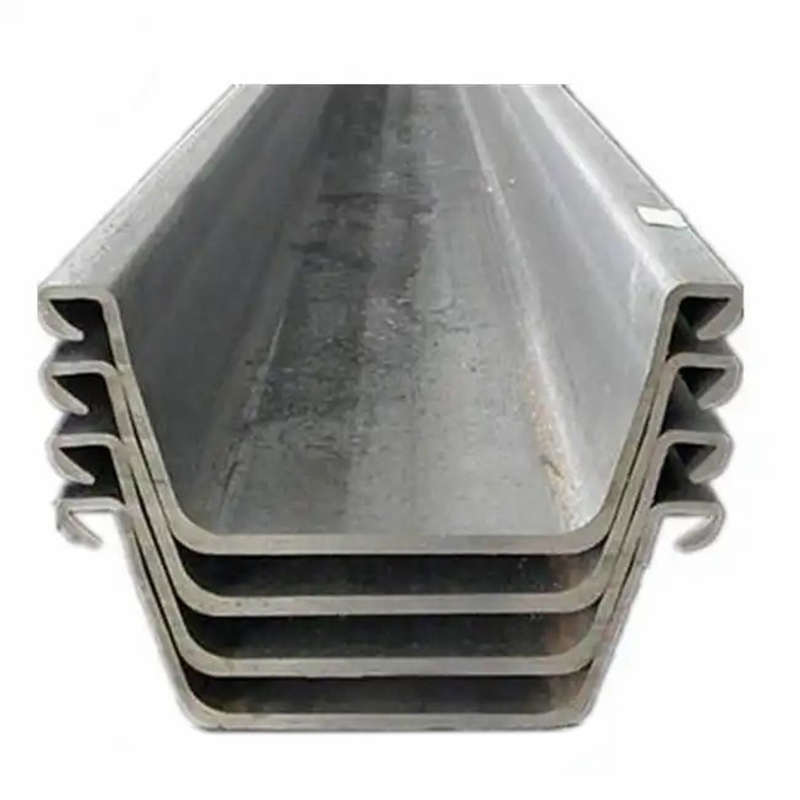
Recently, China's Ministry of Commerce and General Administration of Customs jointly issued an official announcement declaring that export license management will be implemented for certain steel products starting January 1, 2026. This policy adjustment covers a broad range of products, including pig iron, scrap steel, semi-finished steel, as well as flat steel, bars, structural steel, steel pipes, and other categories, with a total of 300 products included in the management catalog. This represents a significant institutional innovation in China's steel trade sector in recent years.
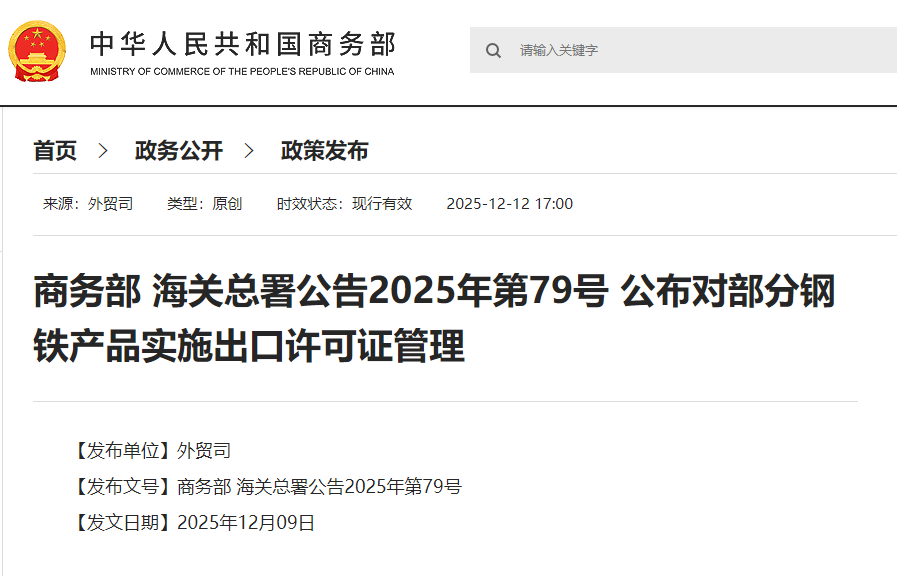
According to the specific provisions of Announcement No. 79, enterprises exporting relevant products must apply for export licenses through statutory procedures. Application materials include valid export contracts and product quality certification provided by manufacturers. License issuance follows a tiered management system: licenses for central enterprises are handled by the Licensing Bureau of the Ministry of Commerce, while those for local enterprises are processed by provincial-level or sub-provincial city commerce authorities in their respective jurisdictions. This system design ensures regulatory standardization while maintaining operational feasibility.
From a policy perspective, China's steel industry is currently undergoing a critical phase of transformation and upgrading. In the first 11 months of this year, China's finished steel exports exceeded 100 million tons, setting a new record high. Against this backdrop, implementing more refined export management will help balance domestic and international market supply, stabilize raw material prices, and simultaneously drive steel enterprises toward high-end and green development. Specifically, strengthening scrap steel resource management can reduce reliance on imported iron ore and enhance the industry's resource security.
Market analysts note that the new regulations will compel steel exporters to prioritize product quality management and compliant operations. In the short term, companies will need to adapt to the new requirements, potentially incurring increased operational costs. However, in the long run, this policy will guide industry resources toward high-tech, high-value-added product segments, fostering the development of internationally competitive enterprises.
Overall, the establishment and refinement of the export license management system serve as a crucial institutional safeguard for China's steel industry to advance toward high-quality development. This system not only aligns with international trade rules but also meets the practical needs of China's steel industry development. As the policy is progressively implemented, it is expected to foster a healthier and more sustainable development pattern across the entire industry, providing robust support for China's manufacturing sector to advance toward the mid-to-high end of the global industrial chain.